Table Of Contents
- Our Approach
- Your ICU Care Team
- ICU Monitoring & Equipment
- Visiting Hours & Bedside Guidelines
- Visitor Expectations
- Communication
- ICU Unit Contact Directory
- Patient Safety & Infection Prevention
- Information Families Must Provide
- Valuables & Personal Belongings
- Examples of valuables and personal belongings include, but are not limited to:
- Outside Medications and Supplements
- Daily-use Patient Devices & Personal Care Items
- Prevent accidental loss
- Nutrition & Meals
- Comfort, Pain Assessment & Pain Management
- Preparing for Transfer from the ICU
- Spiritual and Pastoral Support
- Quick Family Checklist
- We Are Here to Help

 Download
Patient Guide


We understand that admission to the Intensive Care Unit (ICU) can be sudden, emotional, and stressful for patients, families, and the next of kin. This booklet is written for ICU families and explains what to expect, how updates are shared, and how you can support safe care.
Our Approach
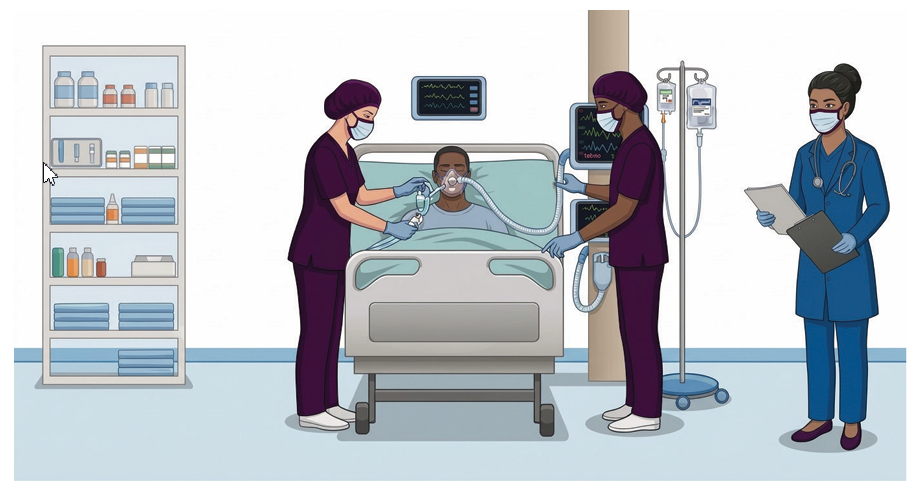
- Health City Cayman Islands provides ICU care through a coordinated team of doctors, ICU nurses, respiratory therapists, pharmacists, physiotherapists, infection control professionals, dietitian/nutritionist and pastoral spiritual support. Care is individualised and may change as the patient’s condition change
- We ensure clinical excellence, patient safety, dignity, privacy, clear communication, and compassionate care for every patient and family.
Your ICU Care Team
A multidisciplinary team works together to assess, monitor, treat, and support recovery. Families may see different team members throughout the day depending on patient needs.
| Team Member | Role in ICU Care |
| Intensivist/ICU Physician/ Consultant | Leads medical care, reviews progress, coordinates specialist input, and guides treatment decisions |
| ICU Nurses | Provide bedside care, administer medications, monitor changes, and coordinate day-to-day patient needs |
| Respiratory Therapist | Supports oxygen therapy, ventilator care, and breathing treatments when required |
| Pharmacist | Reviews medicines for safe dosing, interactions, duplication, and suitability |
| Physiotherapist | Supports safe positioning, breathing exercises, early movement, and rehabilitation when appropriate |
| Dietitian/ Nutritionist | Assesses nutritional needs and supports oral, tube, or intravenous nutrition planning |
| Infection Control Team | Supports infection prevention practices and safe care processes |
| Chaplain/Pastoral Spiritual Support | Provides spiritual support on request, respecting the patient’s beliefs, culture, and wishes |
ICU Monitoring & Equipment
- Health City uses continuous monitoring and advanced ICU equipment to support safe, timely, and responsive care. The ICU may look and sound different from other hospital areas. Bedside monitors, infusion pumps, oxygen or breathing support, lines, tubes, and other devices may be used to observe vital body functions and deliver treatment. These systems help the ICU team follow changes in heart rhythm, blood pressure, oxygen level, breathing, medication delivery, fluid balance, and overall clinical progress.
- Alarms are part of the ICU safety system. An alarm does not always mean an emergency; it alerts trained staff to check the patient, a measurement, or a device. Nurses and the clinical team respond based on the patient’s condition and urgency.
- The ICU team also works to ensure the patient’s comfort, rest, dignity, and privacy. Families can help by keeping visits calm, following infection prevention guidance, and sharing important information with the team.
Visiting Hours & Bedside Guidelines
| Visiting Session | Time | Length of Visitor Stay |
|---|---|---|
| Midday | 11:00 AM – 1:00 PM | 20 minutes (Two visitors) |
| Evening | 5:00 PM – 7:00 PM | 20 minutes (Two visitors) |
Family presence is important, but ICU visiting must be coordinated to protect patient safety, privacy, infection prevention, procedures, and rest.
Not more than two people are permitted at the bedside at any time. Visiting may be adjusted by the ICU team based on clinical condition, procedures, emergencies, infection prevention needs, or safety concerns.
Exceptions to the standard visiting hours may be made in special circumstances, such as end-of-life care, or at the discretion of the treating ICU team when it is considered to be in the patient’s best interest.
We kindly ask all visitors to follow the instructions of the ICU staff at all times to help maintain a safe and healing environment for all patients.
Thank you for your understanding and cooperation. Your support plays an important role in your loved one’s care and recovery.
Visitor Expectations
-
1
Check in with the ICU team before entering the patient care area.
-
2
Clean your hands before and after visiting and follow any Personal Protective Equipment (PPE) instructions.
-
3
Do not visit if you have fever, cough, cold, vomiting, diarrhea, or infection symptoms.
-
4
Keep mobile phones silent and conversations low to maintain a healing environment.
-
5
Flowers, balloons, photography, and video recording are not permitted in the ICU.
-
6
Always follow instructions from the bedside nurse or departmental nurse head.
Communication
Clinical updates will go to the next of kin
- Clear communication is important in helping families understand the patient’s plan of care while maintaining privacy and confidentiality. To support consistent communication, we ask families to identify one documented next of kin for clinical updates and coordination.
- The bedside nurse can provide updates on the patient’s day-to-day progress, monitoring, comfort measures, and visiting guidance within the nursing scope of care. Physician updates are typically provided during visiting hours; however, if family members are unable to visit, updates on the patient’s clinical status may be provided by telephone to the documented next of kin.
- For complex decisions or significant changes in the patient’s condition, the ICU team may arrange a family discussion with the documented next of kin.
- Our priority is always the care and safety of our patients. If the ICU team is responding to an emergency or providing urgent treatment, updates may be delayed. We will speak with you as soon as it is safe to do so
- All communication regarding the patient’s clinical status will be shared only with the documented next of kin recorded in the patient’s hospital record. Please ensure that the correct name and contact information are provided and kept up to date.
ICU Unit Contact Directory
| Unit Name Contact Details | Contact Details |
| East End Medical Intensive Care Unit | +1345 326-3469 |
| East End Surgical Intensive Care Unit | +1345 525-2151 |
| Camana Bay Neonatal Intensive Care Unit | +1345 321-8066 |
| Camana Bay Medical Intensive Care | +1345 321-8050 |
Patient Safety & Infection Prevention
Hand Hygiene Protects Patients
Cleaning your hands is one of the most effective ways to prevent the spread of infection. Please clean your hands using soap and water or the alcohol-based hand sanitiser provided before entering and when leaving the patient's room. We also ask that you follow any isolation precautions or personal protective equipment (PPE) instructions provided by the ICU team.
Our Commitment to Patient Safety
Patient safety is at the heart of everything we do. Our infection prevention and safety practices help protect patients, families, visitors, and healthcare workers. To help keep everyone safe:
Patient identification:
Before administering medications, blood products, treatments, or performing any procedure, our staff will confirm the patient's identity using approved identification methods. This is an important safety measure and may be repeated throughout the patient's stay.
Visitor precautions:
Visitors may be required to wear protective equipment or follow additional isolation precautions before entering the patient's room.
Cleaning and disinfection:
Patient rooms, medical equipment, and frequently touched surfaces are cleaned and disinfected using hospital-approved infection prevention practices.
Safe management of medical devices:
Intravenous (IV) lines, catheters, ventilators, drains, and wound dressings are cared for using evidence-based practices designed to reduce the risk of infection and other complications.
Speak up for safety:
If you notice a change in your loved one's condition, have questions, or are concerned about any aspect of their care, please notify the bedside nurse immediately. We encourage patients and families to be active partners in maintaining a safe care environment Thank you for helping us provide safe, high-quality care for every patient.
Information Families Must Provide
| Information Needed | Examples to Provide |
| Allergy status | Medication allergies, food allergies, latex allergy, contrast/dye reaction, and what reaction occurred if known |
| Own medication list | Medication names, doses, timing, reason for use, and last dose taken. Include over-the-counter medicines, inhalers, insulin, injections, eye drops, vitamins, herbal products, and supplements |
| Medical history | Major illnesses, surgeries, recent hospital visits, implanted devices, pacemaker/ICD details, and ongoing treatments |
| Next of kin details | Correct name, phone number, alternate contact, and any special communication needs |
Valuables & Personal Belongings
Personal Belongings, Valuables, Medications & Privacy
-
1
Health City Cayman Islands is not responsible for the loss, theft, or damage of personal items or valuables brought into the hospital by patients, attendants, visitors, or next of kin, regardless of where they are kept on the premises.
-
2
Patients and families are strongly encouraged to send all valuables home with the documented next of kin or another trusted family member as soon as possible. Only essential items required for the patient's care or comfort should remain in the ICU
Examples of valuables and personal belongings include, but are not limited to:
Any personal belongings that remain with the patient or an attendant do so entirely at the owner's risk and remain the responsibility of the patient, attendant, or next of kin.
-
1
Mobile phones, tablets, laptops, chargers, headphones, and other electronic devices
-
2
Jewellery, watches, rings, and other valuables
-
3
Wallets, cash, bank cards, passports, identification cards, and important documents
-
4
Handbags, backpacks, luggage, clothing, and other personal items.
Outside Medications and Supplements

- For patient safety, do not bring or administer any medications, vitamins, herbal remedies, supplements, or other health products from home unless specifically requested or approved by the treating physician or ICU team. All medications given to patients in the ICU must be prescribed, verified, and administered by hospital staff. Please inform the ICU team of any medications or supplements the patient was taking before admission.
Photography and Video Recording
- To protect the privacy, dignity, and confidentiality of all patients, visitors, and staff, photography, video recording, audio recording, and live streaming are not permitted within the ICU unless prior authorisation has been granted by the treating team or hospital administration. Any approved recordings must not capture other patients, visitors, staff members, or confidential information. Hospital staff may ask that recording cease at any time if it is considered inappropriate or if it may interfere with patient care, safety, or privacy.
Daily-use Patient Devices & Personal Care Items
Please provide essential daily use devices It is the responsibility of the patient, attendant, or documented next of kin to provide patient-specific equipment or devices used daily, when requested or clinically appropriate Some personal devices are important for comfort, communication, mobility, safety, or continuity of care. Please inform the bedside nurse before bringing or using any item so the ICU team can confirm it is safe and appropriate in the ICU setting.
Vision items:
spectacles, contact lenses, lens case, and lens solution
Dental items:
dentures, dental plates, denture containers, and cleaning supplies
Hearing and communication items:
hearing aids, batteries, chargers, communication boards, or other aids
Implants and medical device details:
implant cards, pacemaker/ICD details, device remotes, external components, chargers, CPAP/BiPAP mask or tubing, and prescribed accessories used at home
Mobility or support items:
prosthesis, orthotic support, walking aids, or braces when approved by the care team
Prevent accidental loss
Please label personal care items and hand them to the nurse. Do not place small items such as lenses, dentures, or hearing aids loose in bedding or tissue. Please ensure the handover of the essential items is documented and signed by the both parties to prevent any loss and/or theft.
Nutrition & Meals
Nutrition supports healing and recovery. The ICU team and dietitian review the patient’s medical condition, swallowing safety, treatment plan, and nutrition needs
-
1
Oral meals may be provided once the physician and care team confirm they are safe.
-
2
Tube feeding may be used if the patient cannot safely eat or drink enough by mouth.
-
3
IV nutrition may be considered when the digestive system cannot be used adequately.
-
4
Please inform the nurse about food allergies, cultural preferences, or religious dietary requirements.
-
5
Outside food and drinks are strictly prohibited unless approved by the treating team as part of the patient’s treatment plan.
Comfort, Pain Assessment & Pain Management
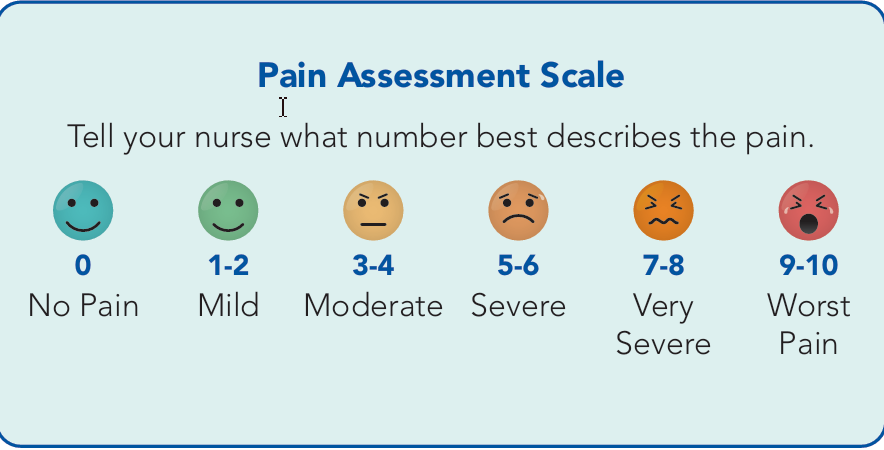
- Your loved one’s comfort is an important part of their care in the ICU. The healthcare team regularly assesses pain whether or not a patient is able to communicate. The assessment tool used will depend on the patient’s age, condition, level of awareness, and ability to communicate
- Pain relief is individualised and may include medication given by mouth or through an IV, as well as comfort measures such as repositioning, relaxation and breathing techniques, and maintaining a calm environment. Pain and comfort are reassessed regularly, particularly after treatment, and the care team will adjust the plan as needed to keep your loved one as comfortable and safe as possible.
- If you notice that your loved one appears uncomfortable
or may be experiencing pain, please let their nurse know
Preparing for Transfer from the ICU
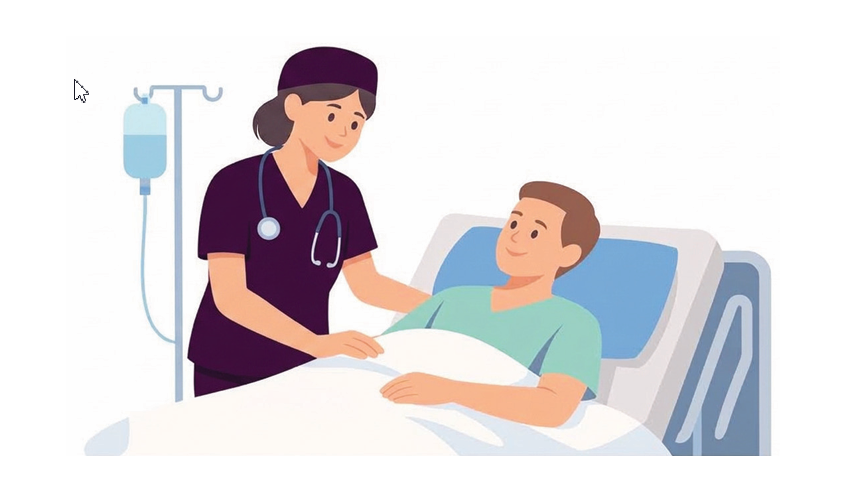
Transfer from the ICU is an important step in recovery. It usually means the patient no longer requires the same level of continuous intensive monitoring and can continue to receive care in another ward area. The ward area permits attendants to be with the patient.
The treating team determines transfer readiness based
on clinical stability and care needs
The documented next of kin will be informed about transfer outside the ICU to support preparation and coordination. In urgent situations, the clinical team will prioritise patient safety, and communicate as soon as possible.
- The ICU team gives a structured handover to the receiving team, so the care plan continues safely.
- Some monitors, lines, or equipment may be removed or changed before or after transfer.
- Medication, nutrition, physiotherapy, and follow-up plans are communicated to the receiving team.
- Please discuss transfer concerns with the bedside nurse or departmental nurse head.
Spiritual and Pastoral Support
- If there is any spiritual need, Health City can support access to pastoral support. If the patient or family would like support from their own faith leader or has specific spiritual needs, please inform the departmental nurse head in advance, so arrangements can be coordinated appropriately.
- Spiritual support is offered with respect for each patient’s beliefs, values, culture, and wishes. Support may include prayer, quiet presence, reflection, or coordination with a preferred faith representative when appropriate and possible.
- Please let the bedside nurse or departmental nurse head know about any spiritual preferences, items, rituals, or privacy needs that may affect care, visiting, or family coordination.
Quick Family Checklist
| Family Action |
|---|
| Confirm documented next of kin name and phone number |
| Provide allergy status and own medication list |
| Inform team about implants, devices, dentures, lenses, hearing aids, CPAP/BiPAP, or daily-use equipment |
| Send valuables and non-essential personal items home with family |
| Follow visiting hours: 11:00 AM – 1:00 PM and 5:00 PM – 7:00 PM; two visitors at a time for 20 minutes |
| Ask the nurse or departmental nurse head about concerns, spiritual needs, or transfer coordination |
We Are Here to Help
We understand that having a loved one admitted to the Intensive Care Unit can be overwhelming and stressful. Our ICU team is committed to providing compassionate, safe, and high-quality care while keeping families informed and involved.
Please do not hesitate to ask questions or share any concerns with the healthcare team. Your support and involvement are important to your loved one’s care and recovery
Important Reminders:
- Keep the ICU contact number available.
- Designate one family spokesperson when possible.
- Speak with staff regarding visiting hours and updates.
- Inform the team of any changes in contact information.
Thank you for your cooperation and for helping us provide a safe, supportive environment for all patients, families and staff.