Download Patient Guide


We want to ensure that you receive the highest level of healthcare. This means keeping you educated and informed about what is involved in the different stages of your Lumbar Puncture procedure. If you have any questions or concerns, please speak with your doctor or medical team.
Understanding Lumbar Puncture
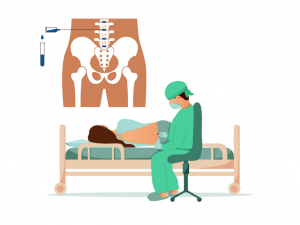
A Lumbar Puncture is a medical procedure where a needle is carefully inserted into the lower part of your spine (the lumbar region) to collect a small amount of cerebrospinal fluid (CSF). CSF is the clear fluid that surrounds your brain and spinal cord, protecting and nourishing them.
Reasons for a Lumbar Puncture
The fluid collected is tested to help diagnose conditions such as:
- Infections like meningitis or encephalitis
- Multiple sclerosis and other neurological diseases
- Bleeding around the brain (subarachnoid haemorrhage)
- Certain cancers
- Inflammatory conditions
- It can also measure the pressure of the cerebrospinal fluid (CSF), which provides important diagnostic information.
Preparing for Your Lumbar Puncture
Before the Procedure :To help ensure your safety:
-
1
You may be asked to stop certain medications, especially blood thinners, several days before the Test.
-
2
You will usually be advised not to eat or drink for a few hours before the procedure, but your doctor will give specific instructions.
-
3
Inform your doctor if you have allergies, infections, or bleeding disorders.
-
4
Let your healthcare team know if you feel anxious or have difficulty lying still.
The Day of the Procedure
You are advised to bring:
-
1
Comfortable clothing that can be easily removed or adjusted
-
2
A list of all medications and allergies
-
3
Government-issued ID
-
4
Health insurance information.
-
5
Leave valuables and jewellery at home.
-
6
If you are going to be sedated, ensure someone accompanies you home.
The Procedure
-
 You will lie on your side with your knees drawn up towards your chest or sit leaning forward, to open up the space between your vertebrae.
 -
The nurse or doctor will clean your lower back with antiseptic and cover the area with sterile drapes.
-
A local anaesthetic will be injected to numb the area. This may sting briefly.
STEP 1: Getting Ready
-
The doctor will insert a thin needle between two lumbar vertebrae to access the CSF.
-
You may feel some pressure or discomfort but no sharp pain.
-
A small amount of fluid will be collected into sterile tubes for testing.
-
The needle will be removed and a small dressing applied to the puncture site.
STEP 2: The Lumbar Puncture
-
You will rest lying flat for about 30 to 60 minutes to reduce the chance of headaches.
-
Your vital signs will be monitored for any immediate reactions.
STEP 3: After the Procedure
Aftercare and Recovery
-
You may feel tired or experience mild discomfort in your lower back.
-
Headaches are common but usually mild and short-lived. Drinking plenty of fluids helps.
At the Hospital
-
Rest for the remainder of the day, avoiding strenuous activity.
-
Keep the puncture site clean and dry for 24 hours.
-
You can shower after 24 hours but avoid baths or swimming until the site is healed.
-
Take any painkillers as advised by your doctor.
At Home
Possible Complications
-
Headache: Occurs in up to 30% of patients but usually resolves with rest and fluids
-
Back pain or tenderness at the puncture site
-
Bleeding or infection: Rare but serious. Contact your doctor if you notice swelling, redness, or discharge
-
Nerve irritation: Very rare. May cause tingling or numbness in the legs.
While Lumbar Punctures are generally safe, some risks include:
When to Contact Your Doctor
-
Severe headache that worsens when sitting or standing
-
Fever or chills
-
Redness, swelling, or bleeding at the puncture site
-
Weakness, numbness, or loss of bladder/bowel control
-
Neck stiffness or difficulty bending your neck.
Seek urgent medical advice if you experience:
Frequently Asked Questions
Lumbar Puncture usually takes 30 to 60 minutes including preparation and recovery.
You may feel a sting from the local anaesthetic and some pressure during the procedure, but pain is usually minimal.
Yes, once the procedure is finished you can usually eat and drink normally unless advised otherwise.
Results often take a few days, depending on the tests performed. Your doctor will explain when and how you will receive them.
Avoid driving for at least 24 hours or until you feel fully recovered. Arrange for someone to take you home.