Table Of Contents

 Download Patient Guide


We are here to ensure you feel informed, comfortable, and supported throughout your journey. If you have any questions, please speak with your doctor or the medical team.
What to Expect Once Home from the Hospital
At home, you may experience mild to moderate discomfort, stiffness, or reduced mobility. These are common and usually improve over time with self-care and activity modification.
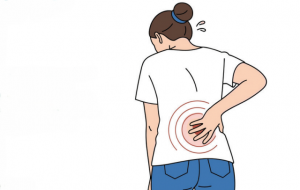
Recovering at Home
Here’s what you can do to support your recovery:
- Stay Active:
Avoid complete bed rest. Light activity like walking helps keep joints flexible and muscles strong. Rest in short periods is okay but don’t stay inactive for long. - Cold Therapy (Ice Packs):
Use ice packs for the first 24–48 hours to reduce swelling. - Heat and Ice:
Use heat packs after the initial inflammation subsides to relax muscles and improve blood flow. - Modify Activities:
Avoid bending, twisting, or lifting heavy objects. Use proper techniques if lifting is necessary—bend at the knees, not the waist. - Stretch and Strengthen:
Gentle stretching may relieve tight muscles. Core strengthening exercises support the spine. Ask your provider or physiotherapist for safe options. - Supportive Seating:
Sit with your back supported and feet flat on the floor. Avoid soft, low chairs and long periods of sitting. - Sleep Position:
Use a supportive mattress. Try sleeping on your side with a pillow between your knees, or on your back with a pillow under your knees.
Pain Management
Managing pain effectively helps support healing. Over-the-counter pain relievers like Acetaminophen (Tylenol): Relieves pain but not inflammation Ibuprofen (Advil, Nurofen) or Naproxen (Aleve): Reduce inflammation and pain Follow dosage instructions and talk to your doctor if you need them for more than a few days.
Topical Treatments
Creams or patches with menthol, capsaicin, or NSAIDs can provide targeted relief.
Physical Therapy
If pain persists, your doctor may recommend physiotherapy. Therapists can guide you through exercises and manual techniques to restore mobility and strength.
Massage & Bodywork
When to Seek Medical Help
Contact your healthcare provider or go to the Emergency Room if you experience:
-
1
Severe, unrelenting pain
-
2
Pain that radiates down one or both legs
-
3
Numbness, tingling, or weakness in the legs
-
4
Difficulty controlling your bladder or bowel
-
5
Sudden, unexplained weight loss
-
6
Fever along with back pain.
Frequently Asked Questions
Most people can return to light activities within a few days. Heavy physical work may require more recovery time. Always follow your provider’s advice.
No. Prolonged bed rest can actually make back pain worse. Gentle movement and staying active are key parts of recovery.
Back pain is usually not caused by a serious condition, but if symptoms worsen or new symptoms develop (like numbness or weakness), seek medical attention promptly.