Download
Patient Guide


This booklet will take you through Laparoscopic Hernia Surgery.
We want to ensure that you receive the highest level of healthcare. This means keeping you educated and informed about what is involved in the different stages of your Laparoscopic Hernia Surgery. If you have any questions or concerns, please speak with your doctor or medical team
Understanding Laparoscopic Hernia Surgery
Laparoscopic Hernia Surgery, also known as Laparoscopic Hernia Repair (herniorrhaphy or hernioplasty), is a minimally invasive procedure used to repair hernias in the abdomen or groin.
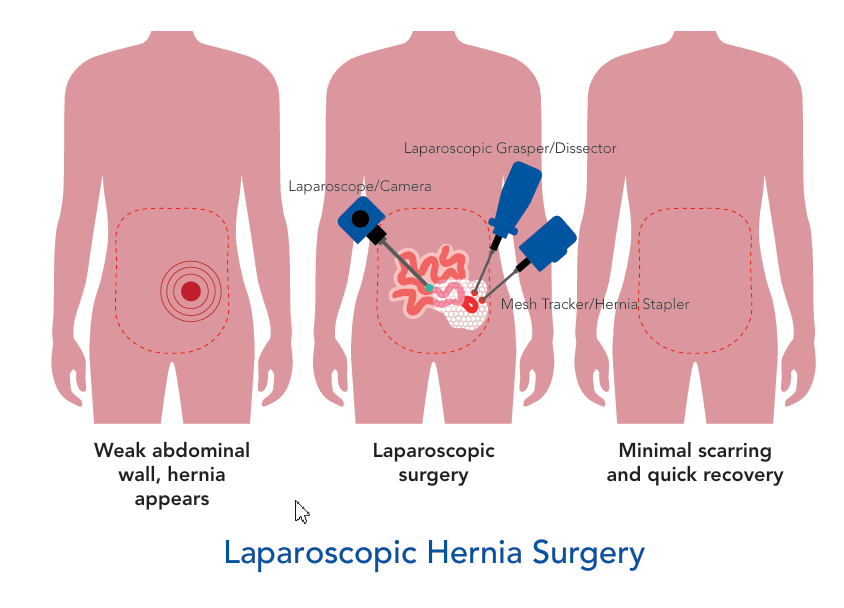
Laparoscopic Hernia Surgery, also known as Laparoscopic Hernia Repair (herniorrhaphy or hernioplasty), is a minimally invasive procedure used to repair hernias in the abdomen or groin.
This minimally invasive approach generally results in less pain, smaller scars, a shorter hospital stay, and a faster recovery compared with traditional open surgery.
A laparoscope, which is a thin tube with a camera and light attached to it, is inserted through one of the incisions. This allows the surgeon to visualise the inside of the abdomen on a monitor. Specialised surgical instruments are then inserted through the other incisions to repair the hernia by placing a mesh patch over the hernia defect to reinforce the area and prevent the hernia from recurring
How to Prepare for Your Laparoscopic Hernia Surgery
Your doctor will advise you to:
-
1
Do pre-operative blood tests, an echocardiogram (ECG), and scans.
-
2
Have a Pre-Anaesthesia Check-up Appointment (PAC) with the anaesthetist, who will inform you when you are to stop eating and drinking and if there is a need to do any further investigations before the procedure.
-
3
Avoid blood thinners 3 to 5 days before the surgery. Speak to your doctor to confirm timing
-
4
Follow specific instructions about if and when to take your insulin or other diabetic medication if you have diabetes.
-
5
Take all other medications as usual with small sips of water on the morning of your procedure.
-
6
Leave your jewellery and other valuables at home.
-
7
Bring a current list of medications and allergies with you to the hospital.
-
8
Bring your government-issued identification
-
9
Ensure you have someone to drive you home after your procedure and to help you at home with everyday tasks such as cooking, bathing, and laundry.
The Day of the Procedure
Make sure that you do not eat anything and follow the instructions given by the anaesthetist regarding your routine medications.
STEP 1
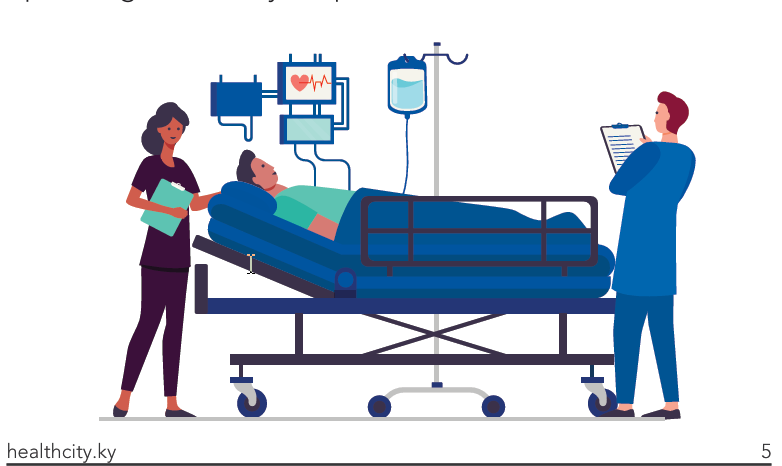
You will be admitted 60 minutes before your procedure unless otherwise advised by the patient care coordinator. After check-in, a healthcare provider will lead you to a room where you can change into a hospital gown. A nurse will check your vitals such as blood pressure, pulse, and oxygen, and place an IV line in your arm to begin delivering fluids. From there, you will be taken inside the operating room for your procedure.
STEP 2
The anaesthetist will give you a general anaesthetic to ensure you are unconscious and pain-free during the procedure. The surgical team prepares your abdomen by cleaning and sterilising the area around the surgical site.
STEP 3
Trocars, which are hollow tubes with valves to prevent air leakage, are inserted through these incisions. These trocars serve as ports for the laparoscope and surgical instruments. The placement of the trocars depends on the location and type of the hernia. Carbon dioxide gas is gently pumped into the abdomen through one of the trocars. This creates a space inside the abdominal cavity, allowing the surgeon to see and access the hernia site more easily.
STEP 4
A laparoscope, which is a thin tube with a camera and light source attached to it, is inserted through one of the trocars. The camera sends real-time images of the inside of the abdomen to a monitor in the operating room, allowing the surgeon to visualise the hernia and surrounding structures. The surgeon carefully examines the abdominal cavity to locate the hernia and assess its size, location, and any associated structures that may be affected. If necessary, the surgeon gently pushes the protruding tissue or organs back into the abdominal cavity, reducing the hernia.
STEP 5
A synthetic mesh patch or plug is inserted through one of the trocars and positioned over the hernia defect. The mesh is secured in place using surgical staples, tacks, or sutures, depending on the specific technique and surgeon preference. The mesh provides additional support to the weakened abdominal wall, reducing the risk of hernia recurrence. Once the mesh is securely in place, the surgeon removes the laparoscope and other instruments from the abdominal cavity. The trocars are removed, and the small incisions are closed with sutures or surgical glue
STEP 6
After surgery, you will rest in a recovery area for a short time before being taken back to your hospital room. You will likely stay in the hospital overnight. However, your surgeon will discuss with you before your surgery how long you are expected to stay in the hospital; this all depends on your individual needs. Your care team will need to ensure that all is stable before you are discharged by checking that: your vital signs are within an acceptable range; your pain is manageable, and you do not feel nauseous; you can get out of bed and stand up from a chair without assistance.
Recovery
The recovery timeline for laparoscopic hernia surgery can vary depending on factors such as the size and location of the hernia, individual healing ability, and any complications that may arise during or after the procedure.

| Timeline | Recovery/Activity |
| Immediate Post-Surgery -Days 1-2 | You’ll likely experience some discomfort or pain around the incision sites and the area where the hernia was repaired. Pain medications prescribed by your doctor can help manage any discomfort. You may be encouraged to walk and move around gently to prevent blood clots and aid in the recovery process |
| Week 1 | You’ll gradually start to feel better, but you may still experience some pain, swelling, and bruising. You’ll need to avoid heavy lifting, strenuous activity, and driving for the first week or as directed by your surgeon |
| Weeks 2-3 | Pain and discomfort should continue to improve, and you may be able to gradually increase your activity level. Your surgeon may recommend starting gentle exercises to promote mobility and prevent stiffness, but be cautious not to overexert yourself. Returning to work or normal daily activities may be possible depending on the type of work you do and how you’re feeling. |
| Weeks 4-6 | By this time, you should be experiencing minimal to no pain and swelling. You may gradually resume more strenuous activities, such as lifting heavier objects or participating in exercise or sports, but consult with your surgeon before doing so. Follow-up appointments with your surgeon may be scheduled to monitor your progress and ensure that the hernia repair is healing properly. |
| Months 3-6 | Most patients are fully recovered by this time and can return to all normal activities without restrictions. Any residual swelling or discomfort should have resolved, and you should feel back to your usual self. It’s essential to continue to listen to your body and avoid pushing yourself too hard, as it may take several months for the tissues to fully heal. |
It’s important to note that this timeline is a general guideline, and individual recovery experiences may vary. Be sure to follow any specific instructions provided by your surgeon and seek medical attention if you experience severe pain, swelling, fever, or any other concerning symptoms during your recovery.