How to Care for Asthma in Adults and Children
 Download PDF
Download PDF
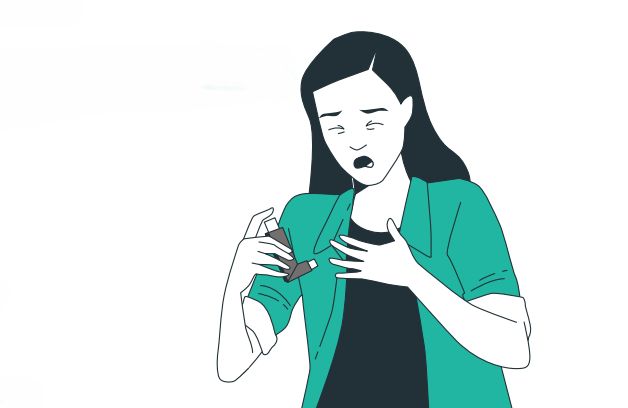
How to Care for Asthma in Adults and Children
We are here to ensure you feel informed, comfortable, and supported throughout your journey. If you have any questions, please speak with your doctor or the medical team.
Understanding Asthma
Asthma is a chronic condition that causes inflammation in the airways, making it harder to breathe. It can affect both adults and children, and symptoms can range from mild to severe.
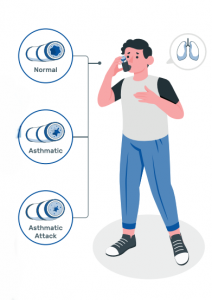
Common asthma symptoms include:
- Wheezing
- Shortness of breath
- Coughing, especially at night
- Chest tightness or pain
Asthma can be managed effectively with the right care plan. Knowing what to do during calm and flare-up periods is key.
Managing Asthma at Home
Know the Triggers
Common triggers include:
- Allergens (pollen, dust mites, pets)
- Cold air or weather changes
- Exercise
- Smoke or strong odours
- Respiratory infections
- Exercise.
Try to avoid or reduce exposure to known triggers whenever possible.
Use Medication as Directed
There are two main types of asthma medications:
- Quick-relief (rescue) inhalers: for fast symptom relief during attacks
- Long-term control medications: taken daily to prevent symptoms
Always follow the doctor’s instructions regarding inhaler use. Keep inhalers close and make sure they are not expired.
A peak flow meter helps you track how well your lungs are working. By measuring how fast you can blow air out, it can show early signs of worsening asthma—even before you feel symptoms.
How to use it:
- Take a deep breath and blow out hard into the meter
- Do this three times and record the highest number
- Check daily and compare to your personal best
What the results mean:
- Green (80–100%) – Asthma is well controlled
- Yellow (50–79%) – Caution: follow your asthma action plan
- Red (below 50%) – Seek medical help immediately
Ask your asthma nurse or doctor if you need help using your meter or interpreting results.
Monitor Symptoms Regularly
- Use a peak flow meter if recommended, to measure how well the lungs are working.
- Keep track of how often symptoms occur.
- Record symptoms and medication use in a daily asthma diary.
Record symptoms and medication use in a daily asthma diary.
Create an Asthma Action Plan
Work with your doctor to make a personalised plan that includes:
- Daily medications
- What to do when symptoms start
- When to use the rescue inhaler
- When to seek emergency care
Share the plan with caregivers, teachers, or coaches if it’s for a child.
Maintain a Healthy Environment
- Use air purifiers or filters at home
- Keep living areas clean and free from dust or mold
- Wash bedding in hot water weekly and avoid smoking indoors
When to Call a Doctor or Go to the ER
Seek immediate medical help if:
- Breathing becomes very difficult or rapid
- There is wheezing that doesn’t improve with medication
- There is trouble speaking or walking due to breathlessness
- Quick-relief inhaler is needed more often than usual.
Frequently Asked Questions
Other Patient Pathway Posts
Pulmonary Embolism

What to Expect After a Head Injury

Recovering After A Concussion
How to Care for a Child Who Has Croup
Choking: What You Can Do to Help
Understanding Your Headache & When to Seek Help
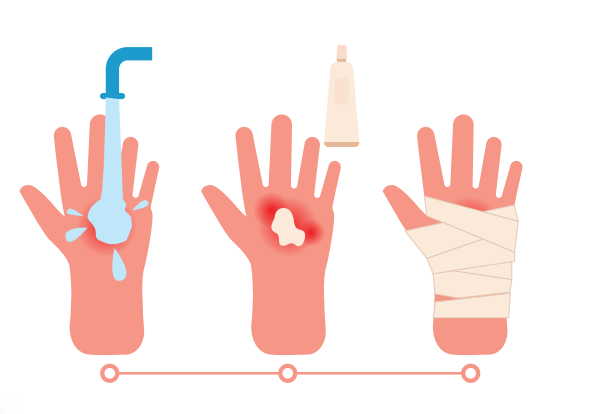
Understanding Burns
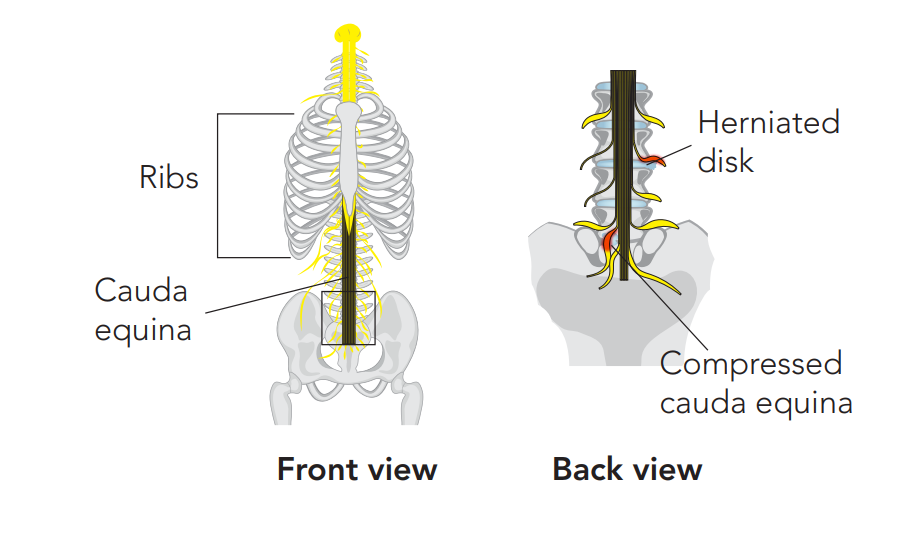
Recognising the Red Flags of Cauda Equina Syndrome
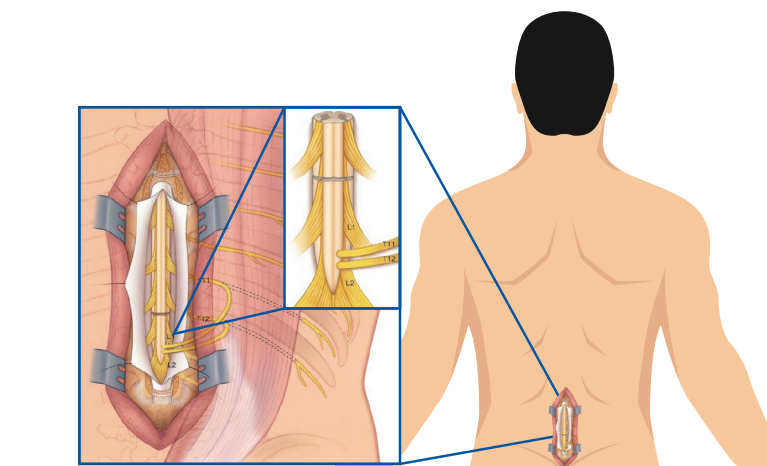
Recovering After Cauda Equina Syndrome
Recovery From Back Pain