Pain Relief: Safe Use of Over-the-Counter Medications
 Download PDF
Download PDF
Pain Relief: Safe Use of Over-the-Counter Medications
We are here to ensure you feel informed, comfortable, and supported throughout your journey. If you have any questions, please speak with your doctor or the medical team.
Understanding Over-the-Counter Pain Relievers
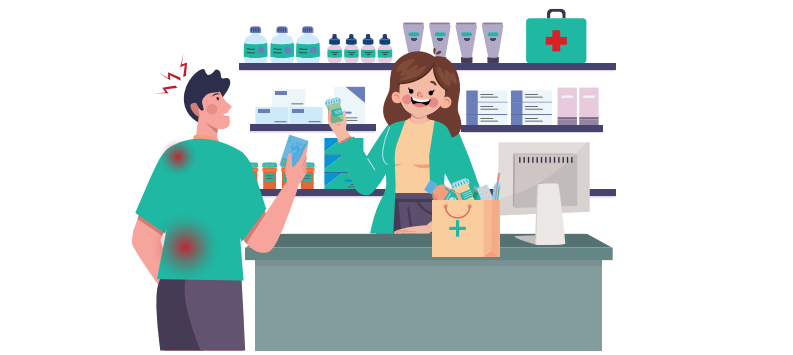
Over-the-Counter (OTC) pain relievers are medicines you can buy without a prescription to treat common pain and discomfort. While they’re generally safe when used correctly, it’s important to understand which one to choose, how much to take, and when to see a doctor.
Pain relievers can help you feel better when used the right way. Read labels, follow directions, and ask questions when you’re not sure. When in doubt, check with your doctor or pharmacist.

Common Types of Over-the-Counter Pain Relievers
Acetaminophen (Tylenol®):
- Reduces pain and fever
- Gentle on the stomach
- Safe for most people when used correctly
- Do not exceed 3,000–4,000 mg per day (depending on the product) and be cautious—many cold and flu medicines also contain acetaminophen!
Ibuprofen (Advil®, Motrin®):
- Reduces pain, inflammation, and fever
- Best for joint pain, muscle aches, and swelling
- Take with food to avoid stomach upset
- This medication is not recommended for people with kidney problems or certain stomach issues.
Naproxen (Aleve®):
- Similar to ibuprofen but longer-lasting
- Good for menstrual cramps, arthritis, and back pain
- Take with food or milk
- Use with caution in older adults and those with heart or kidney concerns
Aspirin:
- Used less commonly for pain now; mainly for heart health in some cases
- Never give aspirin to children or teens due to risk of Reye’s syndrome
How to Use Pain Medications Safely
Follow the Directions on the Label
- Use the right dose based on age and weight.
- Don’t mix similar medicines (like two that contain acetaminophen or NSAIDs)
Check for Other Medications
- Many multi-symptom cold, flu, or allergy meds contain pain relievers—don’t double up!
Know Your Health Conditions
Talk to a doctor if you have kidney disease, liver disease, heart problems, ulcers, or are pregnant.
Use Measuring Tools for Liquid Medicines
- Use the dosing cup or syringe that comes with the medicine—not a kitchen spoon
When to Call a Doctor or Pharmacist
Get professional advice/support:
- If pain lasts more than a few days without improvement
- If you accidentally take too much
- If you develop stomach pain, black stools, rash, or unusual bleeding
- If you have other health conditions and aren’t sure what’s safe
- If you’re giving medicine to a child or older adult
Frequently Asked Questions
Other Patient Pathway Posts
Pulmonary Embolism

What to Expect After a Head Injury

Recovering After A Concussion
How to Care for a Child Who Has Croup
Choking: What You Can Do to Help
Understanding Your Headache & When to Seek Help
Understanding Burns
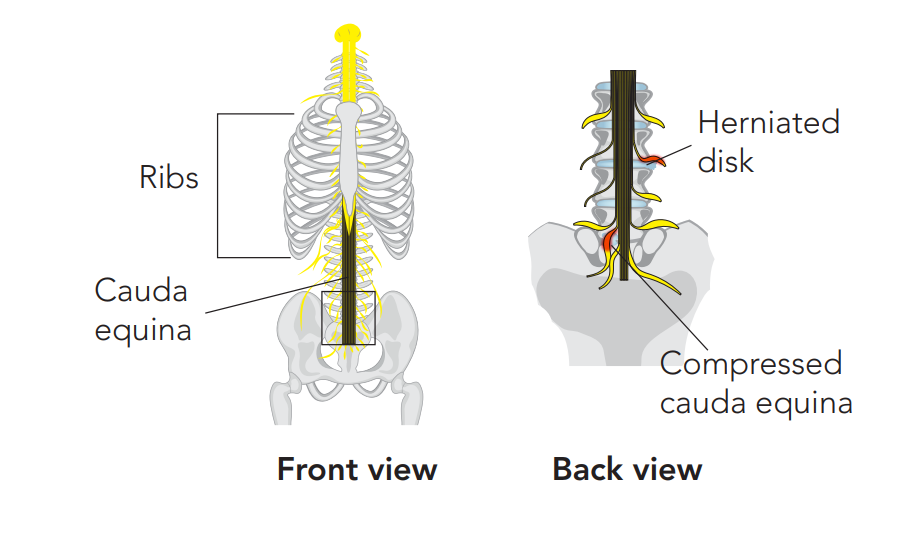
Recognising the Red Flags of Cauda Equina Syndrome
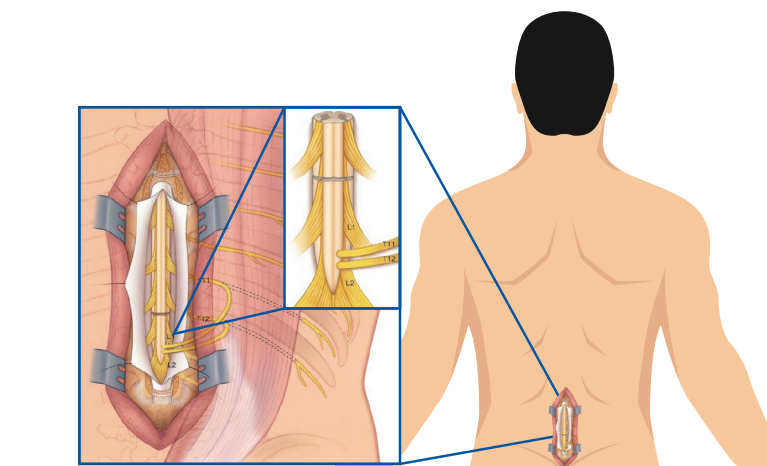
Recovering After Cauda Equina Syndrome
Recovery From Back Pain