Recovering After A Concussion
 Download PDF
Download PDF

Recovering After A Concussion
We are here to ensure you feel informed, comfortable, and supported throughout your journey. If you have any questions, please speak with your doctor or the medical team.
Understanding What Happens After a Concussion
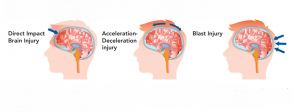
A Concussion is a mild form of brain injury that occurs when a blow or jolt to the head causes the brain to move rapidly inside the skull. It can affect how you feel, think, and react for days or weeks afterwards.
Most people make a full recovery with rest and time, but it’s important to understand what to expect and when to return for medical attention.
Common Symptoms After a Concussion
Symptoms can appear right away or develop over several hours. They may include:
- Headache or pressure in the head
- Dizziness, balance problems, or nausea
- Blurred or double vision
- Fatigue or drowsiness
- Sensitivity to light or noise
- Difficulty concentrating or remembering things
- Feeling irritable, sad, or anxious
- Sleep changes (sleeping more or less than usual).
It’s normal for these symptoms to last several days, but they should gradually improve.
Important Rest and Recovery Tips
Rest your body and mind
Avoid strenuous physical activity, heavy lifting, or sports until cleared by a doctor. A Concussion is a mild form of brain injury that occurs when a blow or jolt to the head causes the brain to move rapidly inside the skull. It can affect how you feel, think, and react for days or weeks afterwards. Most people make a full recovery with rest and time, but it’s important to understand what to expect and when to return for medical attention.
Limit screen time
Bright lights and scrolling can worsen headaches or dizziness. Take regular breaks from phones, computers, and TV.
Sleep and hydrate well
Good sleep and hydration help your brain recover faster.
Ease back into daily activities
Start with light tasks and short periods of activity. Stop if symptoms worsen.
Avoid alcohol and sedative medicines
These can slow recovery and mask symptoms.
Ask before taking pain medication
Paracetamol is generally safe for headache, but avoid ibuprofen or aspirin in the first 48 hours unless advised by your doctor.
When to Return to the Emergency Department
Seek urgent medical attention (call 911 or return to the Emergency Department) if you notice:
- Worsening or severe headache
- Repeated vomiting
- Slurred speech or confusion
- Seizures or fits
- Weakness or numbness in any part of the body
- Unequal pupils or vision changes
- Loss of coordination or collapse
- Unusual behaviour, agitation, or extreme drowsiness.
If symptoms get worse instead of improving, do not ignore them — your condition needs reassessment.
Returning to Work, School, and Sports
- Return to work or school gradually. Start with reduced hours or lighter duties.
- Only resume sports or gym activities after you are symptom-free and cleared by a doctor.
- Avoid activities with a risk of head impact until your doctor confirms it’s safe.
- Returning too early can delay recovery and increase the risk of another Concussion.
Frequently Asked Questions
Other Patient Pathway Posts
Pulmonary Embolism
What to Expect After a Head Injury
How to Care for a Child Who Has Croup
Choking: What You Can Do to Help
Understanding Your Headache & When to Seek Help
Understanding Burns
Recognising the Red Flags of Cauda Equina Syndrome
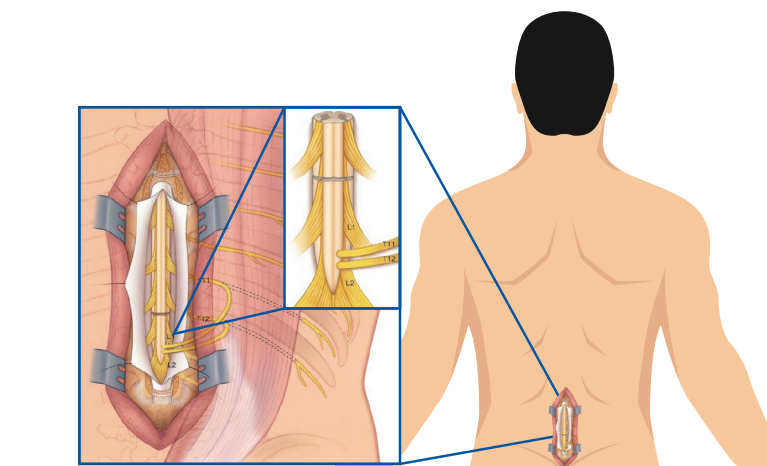
Recovering After Cauda Equina Syndrome
Recovery From Back Pain
Pain Relief: Safe Use of Over-the-Counter Medications