Table Of Contents
- Understanding Surgical Body Contouring
- Why is it Done?
- Preparing for Your Surgery
- Pre-Operative Instructions
- Packing for the Hospital
- The Day of Your Surgery
- What to Expect During Surgery
- Recovery After Surgery
- Caring for Yourself at Home
- When to Seek Medical Attention
- Follow-Up Appointments

 Download Patient Guide


We want to ensure that you receive the highest level of healthcare. This means keeping you educated and informed about what is involved in the different stages of your Surgical Body Contouring. If you have any questions or concerns, please speak with your surgeon or medical team.
Understanding Surgical Body Contouring
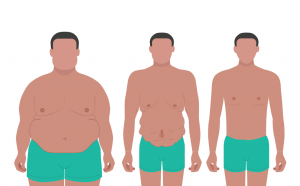
Surgical Body Contouring is a group of procedures used to remove excess skin and fat after significant weight loss. These surgeries help improve your body’s shape, comfort, and appearance, often enhancing mobility and self-confidence. It can include procedures such as:
- Tummy tuck (abdominoplasty)
- Arm lift (brachioplasty)
- Thigh lift
- Lower body lift
- Breast lift (mastopexy)
- Back or buttock lift
You and your surgeon will decide which procedures are best suited to your goals and health.
Why is it Done?
After major weight loss, your skin may not fully contract due to a loss of elasticity. This can lead to sagging skin, irritation, hygiene issues, and difficulty with movement or clothing. Body contouring can:
-
1
Remove excess, loose skin and fat
-
2
Improve body proportion and comfort
-
3
Help clothes fit better
-
4
Support psychological well-being and body image.
Preparing for Your Surgery
What to Tell Your Doctor Let your care team know if:
-
1
You have any chronic health conditions (e.g., diabetes, heart disease)
-
2
You are a smoker or recently quit
-
3
You have bleeding or clotting disorders
-
4
You have had prior surgeries in the areas to be treated
-
5
You are on any medications, including blood thinners or supplements
-
6
You are planning future pregnancies (which can affect results).
Pre-Operative Instructions
Your surgical team will give you detailed instructions. These may include:
| Fasting | Do not eat or drink for at least 6 hours before surgery. |
| Medications | You may need to stop certain medications (e.g., aspirin, warfarin). |
| Smoking | Stop smoking at least 4–6 weeks before and after surgery to aid healing. |
| Blood Tests | You may require pre-operative bloodwork or scans. |
| Consent | You’ll sign a consent form after discussing risks and expectations. |
| Transportation | Arrange for someone to drive you home and stay with you for 24 hours. |
Packing for the Hospital
Bring the following on the day of your surgery:
-
1
A list of medications and allergies
-
2
Photo ID and any private insurance details (if applicable)
-
3
Loose, comfortable clothing (preferably front-opening)
-
4
Personal toiletries and basic overnight items (you may stay 1–2 nights).
-
5
Leave jewellery, piercings, and valuables at home.
The Day of Your Surgery
On Arrival
-
1
You’ll check in at the surgical admissions desk.
-
2
A nurse will confirm your identity, take your observations, and start an IV line.
-
3
You’ll meet your surgeon and anaesthetist to review the plan.
Before the Procedure
-
1
You may receive antibiotics or medication to help you relax.
-
2
You’ll change into a hospital gown.
-
3
Your surgical sites may be marked by your surgeon.
What to Expect During Surgery
STEP 1: Anaesthesia
You will receive general anaesthesia to keep you fully asleep and pain-free during the procedure.
STEP 2: Surgical Procedure
Your surgeon will make precise incisions based on your body shape and desired outcomes. Excess skin and fat are removed; muscles may be tightened in some areas. Wounds are closed with dissolvable stitches and surgical dressings are applied. Drains may be inserted to reduce fluid build-up.
STEP 3: Recovery Room
You’ll be moved to a recovery area and monitored closely. Once stable, you’ll either be discharged home (same-day procedures) or moved to a ward for 1–2 nights.
Recovery After Surgery
In the Hospital
-
1
You will be encouraged to start gentle movement as early as possible.
-
2
Pain relief and fluids will be given through your IV.
-
3
Drains (if used) will be managed and may be removed before discharge.
-
4
Most patients go home within 1–2 days depending on the extent of surgery and overall health.
Caring for Yourself at Home
| Timeframe | What to Do / Watch For |
|---|---|
| First 48 Hours | Rest as much as possible. Take pain medication as prescribed. |
| 1 Week | Gradually increase walking. Keep incisions clean and dry. |
| 2-3 Weeks | You may return to light activities but avoid strenuous movement. |
| 4-6 Weeks | Most swelling reduces. You may be cleared for driving and light exercise. |
| 6+ Weeks | Resume full activity unless advised otherwise by your surgeon. |
Always follow the aftercare advice provided by your surgical team.
When to Seek Medical Attention
Contact your surgeon or visit A&E if you experience:
-
1
Fever over 38°C
-
2
Heavy bleeding or discharge from incisions
-
3
Redness, heat, or swelling at the surgery site
-
4
Shortness of breath or chest pain
-
5
Severe pain not relieved by medication
-
6
Sudden leg swelling or pain (could indicate a blood clot).
Follow-Up Appointments
-
1
Your first follow-up will usually be within 7–10 days.
-
2
Stitches or dressings may be reviewed or removed.
-
3
Your surgeon will assess healing and provide guidance for returning to normal activities.
-
4
You may need ongoing check-ups at 6 weeks, 3 months, and 6 months.
Frequently Asked Questions
You will be asleep during surgery. Some discomfort and tightness are normal afterwards, but pain can be managed with medication.
Recovery varies by procedure. Light activity is encouraged within days, but full healing can take 6–12 weeks.
Yes, but your surgeon will place incisions in discreet locations. Scars often fade significantly over time.
Results are long-lasting if you maintain a stable weight. Ageing and future pregnancies may affect outcomes.
Most patients return to non-strenuous work within 2–4 weeks. More physically demanding jobs may require longer leave.
A: Yes, some patients have multiple areas treated at once. This depends on your health, goals, and the surgeon’s advice.