Taking Care of Your Feet: A Guide for People with Diabetes
 Download PDF
Download PDF
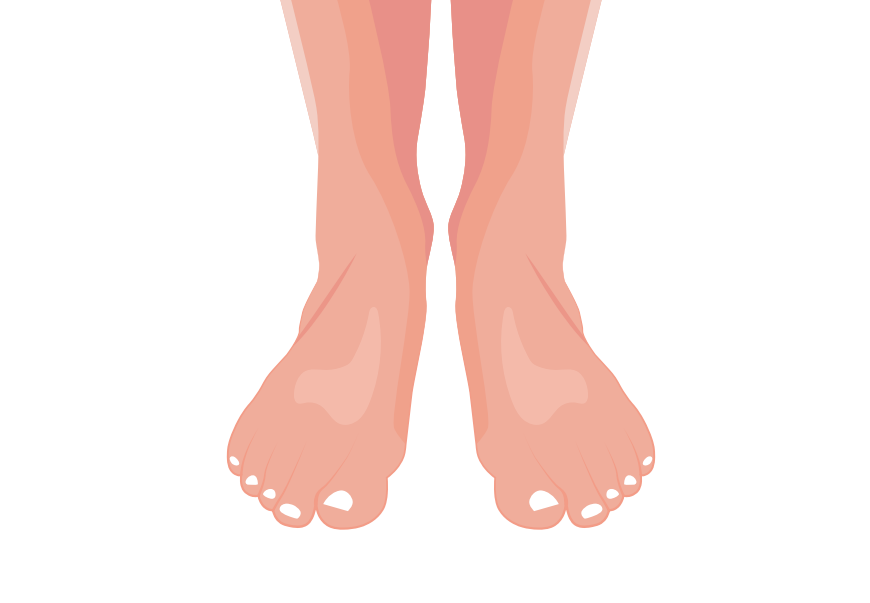
Taking Care of Your Feet: A Guide for People with Diabetes
We want to ensure that you receive the highest level of healthcare. This means keeping you educated and informed about what is involved in the taking care of your feet since you have diabetes. If you have any questions or concerns, please speak with your medical team.
Why Foot Care Matters
Diabetes can cause nerve damage and poor circulation, which can lead to foot problems. Without proper care, small issues can become serious. Good foot care helps you stay healthy and avoid complications.
How Diabetes Affects Your Feet
Diabetes can cause nerve damage and poor circulation, which can lead to foot problems. Without proper care, small issues can become serious. Good foot care helps you stay healthy and avoid complications.
- Nerve damage (neuropathy): You may not feel pain, heat, or cold.
- Poor blood flow: Healing slows down, and infections are more likely.
- Higher risk of infections: Even small cuts can become serious.
Daily Foot Care Routine
- Check your feet daily
Look for cuts, blisters, redness, swelling, or nail problems. - Wash your feet daily
Use lukewarm water and mild soap. Dry carefully, especially between the toes. - Moisturise
Use lotion on dry skin, but not between the toes. - Trim toenails carefully
Cut straight across and file the edges. If you can’t do it safely, ask for help. - Wear clean, dry socks
Choose socks without tight bands or thick seams. - Never walk barefoot
Always wear shoes or slippers, even at home.
Warning Signs to Watch For
Call your doctor if you notice:
- A cut, blister, or sore that doesn’t heal
- Skin that is red, hot, or swollen
- Pain or burning in your feet
- Black or blue skin on your toes or feet
- A foul smell from a wound.
Choosing the Right Footwear
Shoes should:
- Fit well (not too tight or too loose)
- Protect your feet from injury
- Have cushioning and support
Avoid:
- High heels
- Flip-flops or sandals with no protection
- Shoes with pointed toes.
Tip: Break in new shoes gradually and check your feet afterward.
When to See a Doctor
Visit a healthcare provider if you:
- Have trouble seeing or reaching your feet
- Notice a wound or sore that isn’t healing
- Experience numbness, tingling, or pain
- Haven’t had a foot check in the last year.
Tips for Healthy Living
- Keep blood sugar in target range.
- Quit smoking – it reduces blood flow to your feet.
- Exercise regularly.
- Eat a balanced diet.
Frequently Asked Questions
Other Patient Pathway Posts
Pulmonary Embolism
What to Expect After a Head Injury

Recovering After A Concussion
How to Care for a Child Who Has Croup
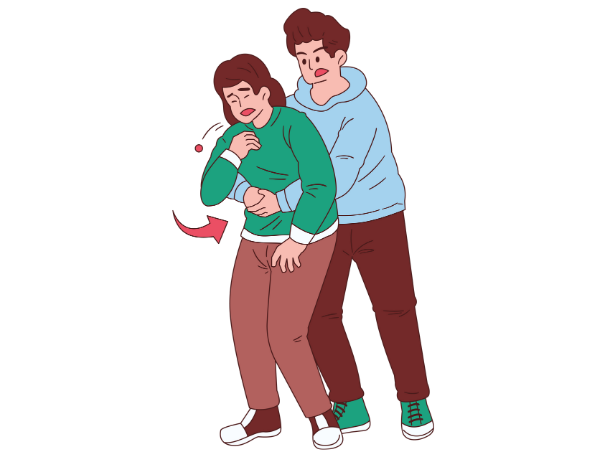
Choking: What You Can Do to Help
Understanding Your Headache & When to Seek Help
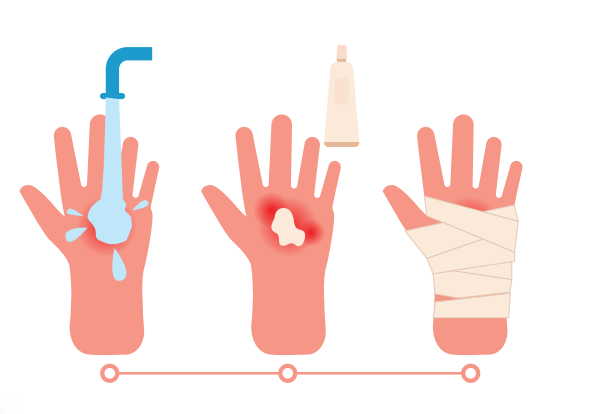
Understanding Burns
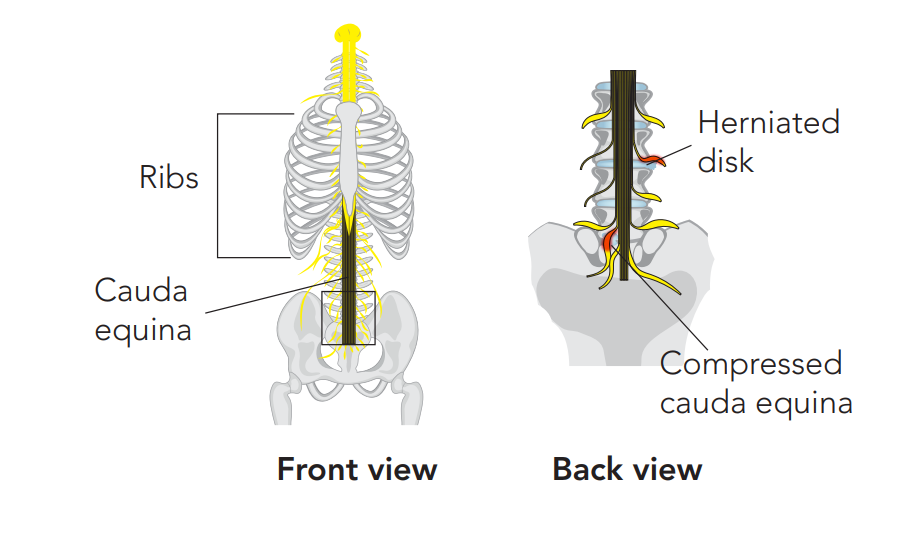
Recognising the Red Flags of Cauda Equina Syndrome
Recovering After Cauda Equina Syndrome
Recovery From Back Pain