Understanding Burns
 Download PDF
Download PDF
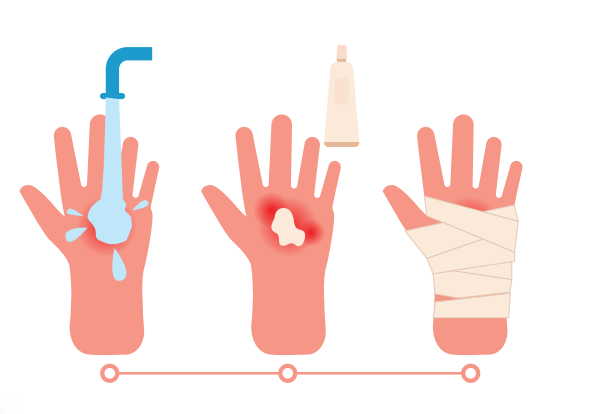
Understanding Burns
We are here to ensure you feel informed, comfortable, and supported throughout your journey. If you have any questions, please speak with your doctor or the medical team.
Understand Your Burn Degree
There are three degrees of burns.
First-Degree Burns
These are superficial burns affecting the outer layer of skin, which typically heal in 7-10 days.
Second-Degree Burns
These burns involve deeper layers of skin, may blister, and take weeks to heal.
Third-Degree Burns
With third-degree burns, there is damage to all layers of the skin and specialised care, including skin grafts, may be required.
Wound Care Tips
Keep the Burn Clean: Gently wash with mild soap and water, and avoid scrubbing.
Avoid Popping Blisters: Blisters act as a protective barrier. If they rupture, keep the area clean and covered.
Moisturise: Keep the area moist with recommended ointments (e.g., silver sulfadiazine, aloe vera, or petroleum jelly) to promote healing and prevent scarring.
Manage Pain
- Use over-the-counter pain relievers like ibuprofen or acetaminophen if advised.
- Avoid tight clothing or pressure on the burn. Elevate the burn area to reduce swelling.
- Apply cool compresses (not ice) to help soothe pain.
Prevent Scarring
- Avoid exposing the burn to direct sunlight. Use sunscreen (SPF 30 or higher) on healed areas.
- Massage the burn gently with unscented moisturiser once healed to improve skin elasticity.
Follow-Up Appointments
Attend all scheduled follow-ups to monitor healing. Be sure to contact a doctor if healing is
delayed or if complications arise.
When to Seek Immediate Medical Attention
Infection is one of the most common problems that can occur following burns. These are some common signs of infection.
- Increased pain or changes in sensation (e.g., numbness)
- A wound that starts to smell or exude a green/yellow discharge
- Redness or swelling that spreads rapidly beyond the burn site or warmth around the burn
- Fever, chills, or flu-like symptoms
Frequently Asked Questions
Other Patient Pathway Posts
Pulmonary Embolism
What to Expect After a Head Injury

Recovering After A Concussion
How to Care for a Child Who Has Croup
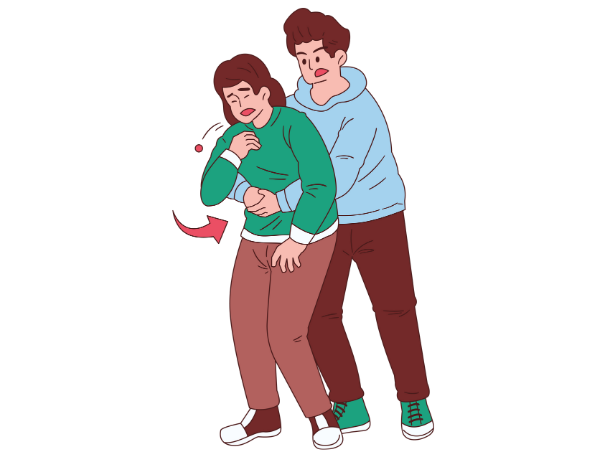
Choking: What You Can Do to Help
Understanding Your Headache & When to Seek Help
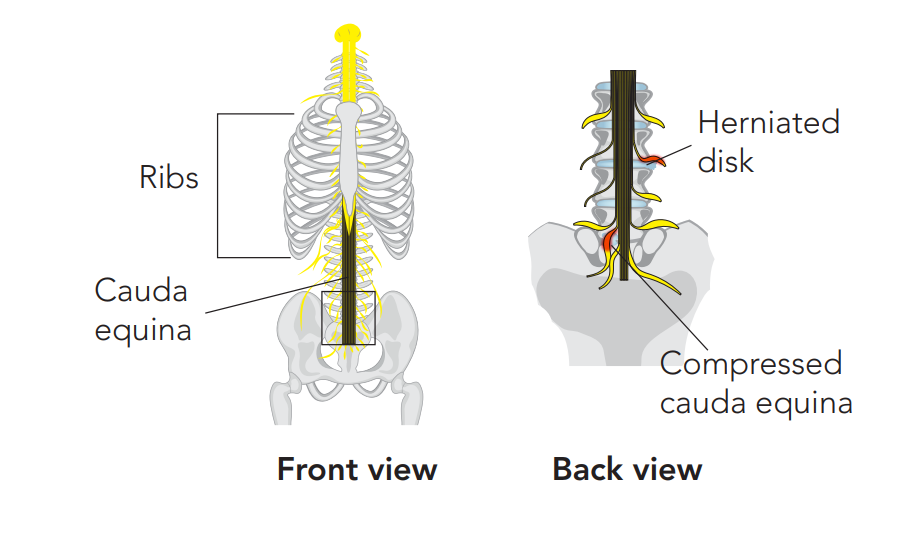
Recognising the Red Flags of Cauda Equina Syndrome
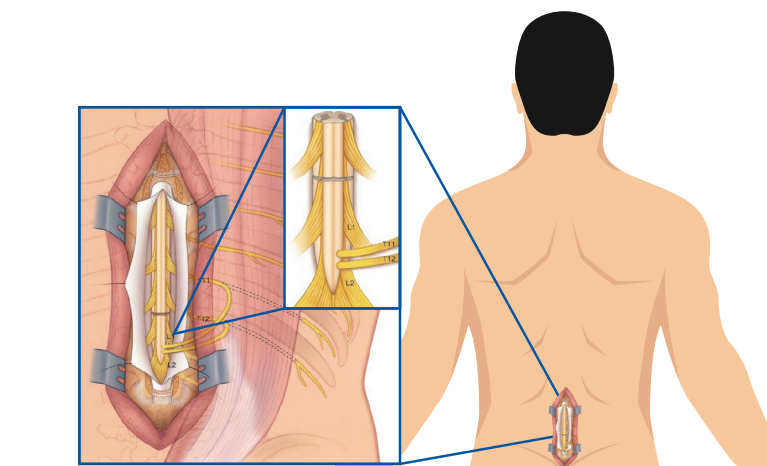
Recovering After Cauda Equina Syndrome
Recovery From Back Pain
Pain Relief: Safe Use of Over-the-Counter Medications