Understanding & Managing Anxiety
 Download PDF
Download PDF
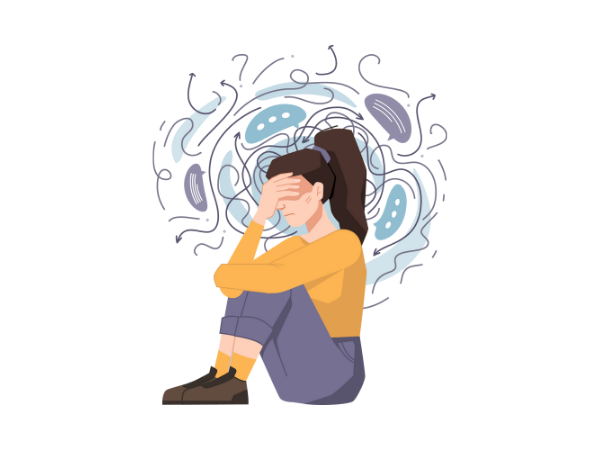
Understanding & Managing Anxiety
We are here to ensure you feel informed, comfortable, and supported throughout your journey. If you have any questions, please speak with your doctor or the medical team.
Understanding Anxiety
Anxiety is a natural response to stress, but when it becomes overwhelming or persistent, it can affect daily life. Understanding anxiety is an important first step in managing it.
What to Expect
Symptoms of Anxiety
- Racing thoughts or constant worry
- Difficulty sleeping or restlessness
- Feeling nervous, tense, or irritable
- Rapid heartbeat or breathing
- Nausea, dizziness, or sweating
If these symptoms persist or worsen, seeking professional help can make a significant difference.
Steps to Manage Anxiety
Follow Medical Advice
- Stick to your discharge instructions: Take prescribed medications, attend follow-ups, and follow recommended lifestyle changes.
- Ask questions: If you’re unclear about your condition or treatment, contact your healthcare provider for clarification.
Practice Relaxation Techniques
- Deep Breathing: Inhale slowly for four seconds, hold for four seconds, and exhale for six seconds. Repeat several times.
- Progressive Muscle Relaxation: Tense and release each muscle group in your body, starting from your feet and moving upward.
- Mindfulness or Meditation: Focus on the present moment using guided meditations or apps like Calm or Headspace.
Maintain a Healthy Routine
- Sleep: Aim for 7–9 hours of rest each night. Use relaxation techniques to unwind before bed.
- Diet: Eat balanced meals, avoid excessive caffeine, and stay hydrated.
- Exercise: Engage in light physical activity (e.g., walking or yoga), which can reduce anxiety and improve mood.
Build a Support System
- Talk to someone you trust: Sharing your feelings with a family member or friend can help ease worry.
- Seek professional help: Therapists and counselors can provide tools to manage anxiety effectively.
- Support groups: Consider joining groups for individuals with similar health experiences.
Identify Your Triggers
- Keep a journal to track situations or thoughts that make you feel anxious. Recognising patterns can help you prepare or respond differently in the future.
When to Seek Help
You are advised to seek professional help if your anxiety:
- Interferes with daily life or relationships
- Causes frequent panic attacks
- Persists for weeks without improvement
- Includes symptoms like chest pain, difficulty breathing, or suicidal thoughts.
Practical Tips for Moving Forward
- Stay Informed: Understanding your condition and treatment can reduce fear and uncertainty.
- Create a Recovery Plan: Set small, achievable goals for your health and well-being.
- Limit Stress: Reduce exposure to anxiety triggers like excessive news or social media.
Frequently Asked Questions
Other Patient Pathway Posts
Pulmonary Embolism
What to Expect After a Head Injury

Recovering After A Concussion
How to Care for a Child Who Has Croup
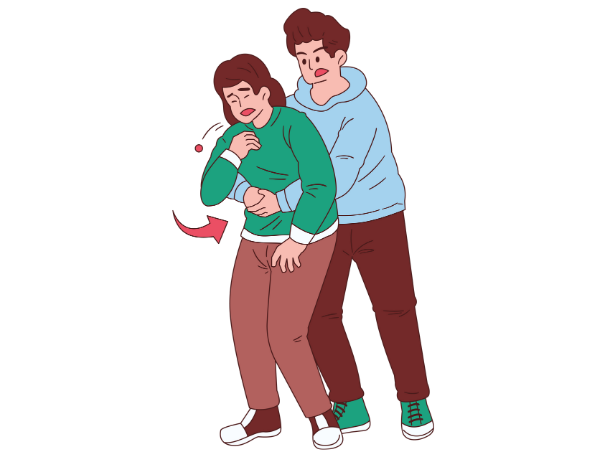
Choking: What You Can Do to Help
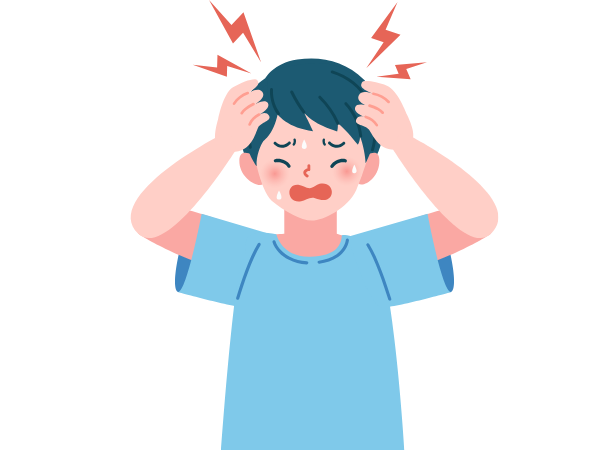
Understanding Your Headache & When to Seek Help
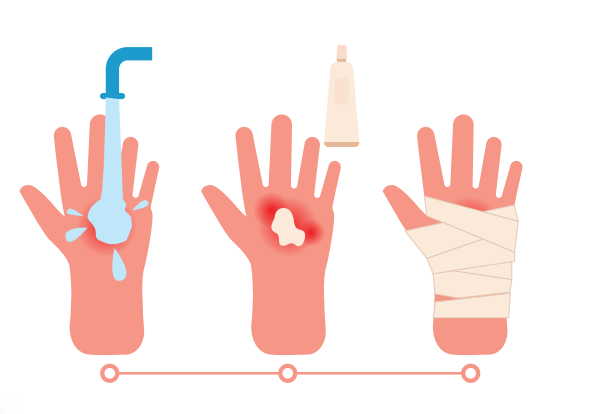
Understanding Burns
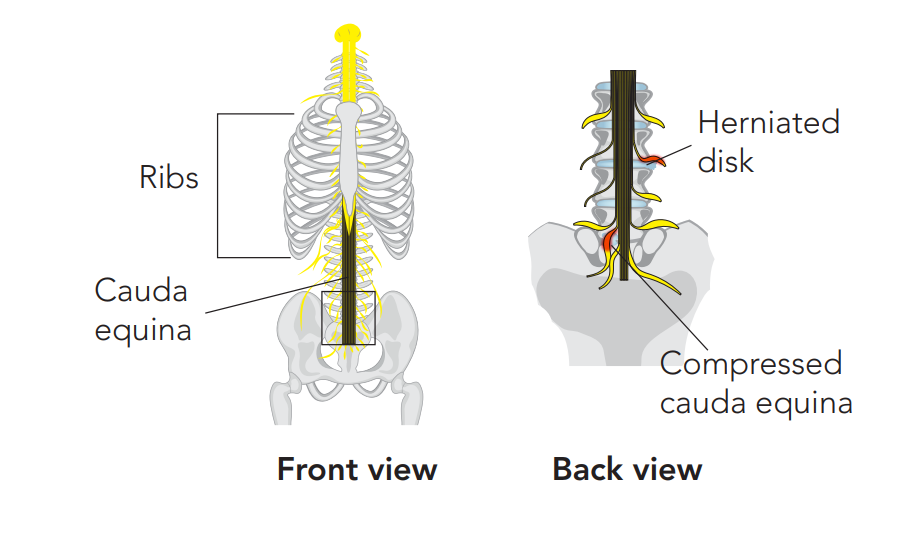
Recognising the Red Flags of Cauda Equina Syndrome
Recovering After Cauda Equina Syndrome
Recovery From Back Pain