Understanding Your Headache & When to Seek Help
 Download PDF
Download PDF
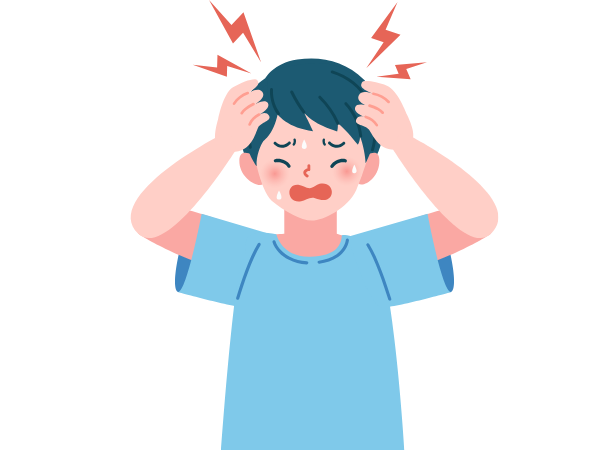
Understanding Your Headache & When to Seek Help
We are here to ensure you feel informed, comfortable, and supported throughout your journey. If you have any questions, please speak with your doctor or the medical team.
Headaches Happen. Learn to Tell What Yours Means
Almost everyone experiences Headaches at some point. While most are harmless and can be managed at home, some may be a sign of something more serious.
Understanding what type of Headache you have, how to prevent them, and when to get medical help can make all the difference. Not every Headache is the same; identifying the cause can help you find the right relief.
Common Types of Headaches
Tension Headache
- The most common type
- Feels like a tight band or pressure around your head
- Often caused by stress, dehydration, or long hours at a screen
- Usually mild to moderate, not worsened by movement
Migraine
- Throbbing or pulsating pain, often on one side
- May cause nausea, vomiting, or sensitivity to light and sound
- Can last from a few hours to several days
- May have warning signs (auras), such as flashing lights or blurred vision
Sinus Headache
- Pain or pressure in the face, forehead, or around the eyes
- Often worse when bending forward
- May come with nasal congestion or infection symptoms
Cluster Headache
- Intense, burning pain around one eye or temple
- Comes in short bursts (‘clusters’) over days or weeks
- More common in men and may occur at the same time each day
Prevention Tips: How to Reduce Headaches
Stay Hydrated
Dehydration is a common trigger. Aim for 6–8 glasses of water daily.
Manage Stress
Relaxation techniques like deep breathing, yoga, or short breaks during work can help prevent tension Headaches.
Watch Your Screen Time
Take regular breaks, adjust lighting, and keep your posture upright to reduce eye strain.
Eat Regularly and Sleep Well
Skipping meals and irregular sleep can trigger both migraines and tension headaches.
Limit Caffeine and Alcohol
Both can cause Headaches or make them worse in some people.
Keep a Headache Diary
Track triggers, symptoms, and timing. This helps your doctor identify patterns and suggest treatments.
When to Seek Medical or Emergency Care
Most Headaches improve with rest, hydration, and over-the-counter medication. However, seek urgent medical attention if you experience:
- A sudden, severe (‘thunderclap’) Headache that feels like the worst pain of your life
- Headache after a head injury or fall
- Headache with blurred vision, confusion, slurred speech, or weakness on one side
- Headache with fever, stiff neck, rash, or vomiting
- Headaches that wake you from sleep or worsen over time
- Headaches that occur daily or are interfering with normal activities.
If you are unsure, contact your GP or visit the Emergency Department for assessment.
Managing Headaches Safely at Home
- Rest in a quiet, dark room.
- Use a cool or warm compress on your forehead or neck.
- Stay hydrated and do not skip meals.
- Take over-the-counter pain relievers such as paracetamol or ibuprofen. Ensure you follow the directions on the label.
- Avoid overuse. Taking pain relievers too often can cause rebound Headaches.
Frequently Asked Questions
Other Patient Pathway Posts
Pulmonary Embolism
What to Expect After a Head Injury

Recovering After A Concussion
How to Care for a Child Who Has Croup
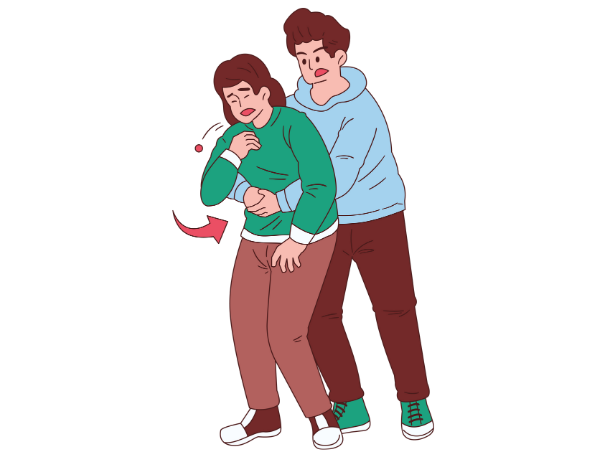
Choking: What You Can Do to Help
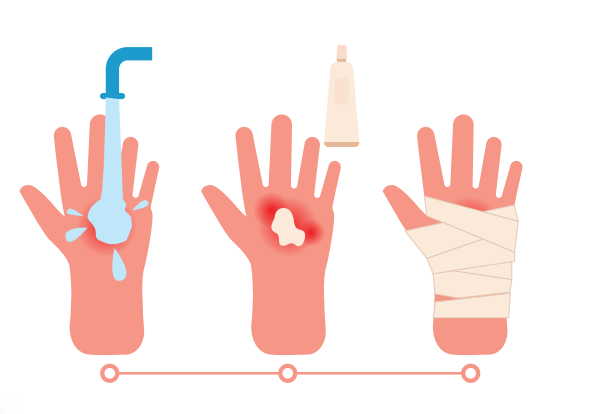
Understanding Burns
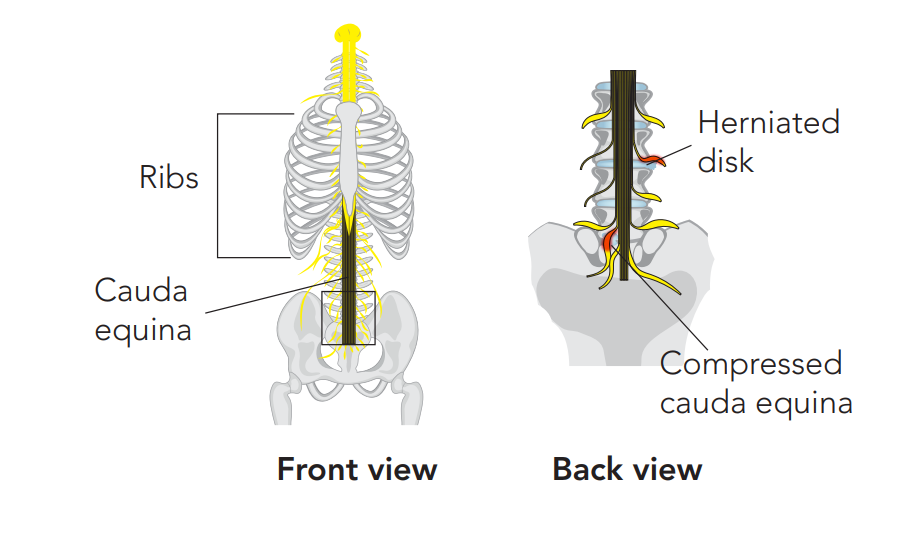
Recognising the Red Flags of Cauda Equina Syndrome
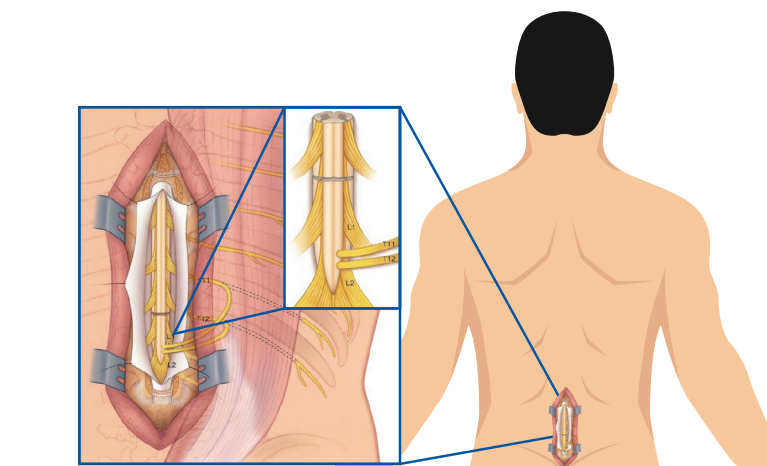
Recovering After Cauda Equina Syndrome
Recovery From Back Pain
Pain Relief: Safe Use of Over-the-Counter Medications