What to Expect After a Head Injury
 Download PDF
Download PDF
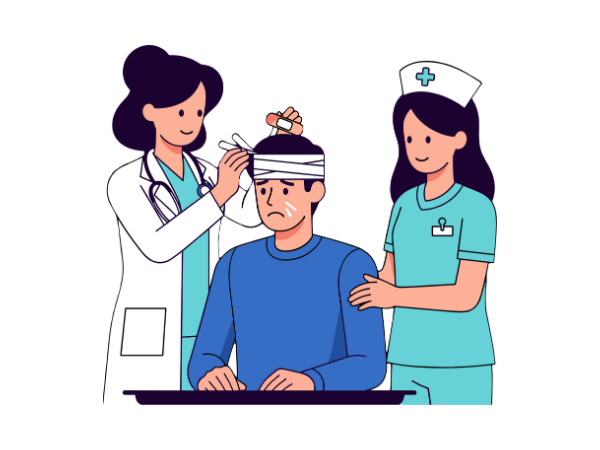
What to Expect After a Head Injury
We are here to ensure you feel informed, comfortable, and supported throughout your journey. If you have any questions, please speak with your doctor or the medical team.
What to Expect Once Home from the Hospital
You may experience these mild symptoms:
- Headaches
- Slight dizziness
- Fatigue.
These are generally normal and should gradually improve over the next few days.
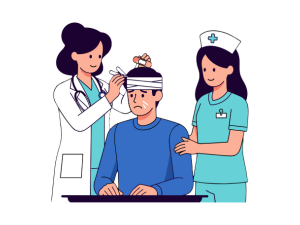
Recovering at Home
Here’s what you can do to aid recovery.
Rest: Ensure you get plenty of rest and avoid physical activity for at least 24–48 hours.
Monitor Symptoms: Watch for any worsening symptoms and seek medical care if necessary.
Cognitive Rest: Limit screen time, reading, and work to prevent overstimulation.
Pain Management: Use acetaminophen if needed, but avoid ibuprofen or aspirin unless directed by a doctor.
Nutrition and Hydration: Encourage a balanced diet and proper hydration.
Gradual Return to Activity: Resume normal activities gradually and avoid sports until cleared by a doctor.
Pain Management
Mild headaches can be common after a head injury, but you can manage them as follows.
Pain Relief: Only take medications as advised by your healthcare provider. Avoid over-the- counter pain relievers like ibuprofen, aspirin, or naproxen, as they may increase bleeding risks. Your doctor may recommend acetaminophen (Tylenol).
Cold Compress: Apply a cold pack to the affected area to reduce swelling (if recommended by your doctor).
When to Seek Medical Help
Head to the Emergency Room if you experience any of the following after being discharged.
- Increased drowsiness or difficulty waking up
- Persistent or worsening headache
- Repeated vomiting
- Difficulty walking, balancing, or coordinating movements
- Seizures or convulsions
- Weakness or numbness in any part of the body
- Slurred speech or confusion
- Unusual behaviour changes, irritability, or inconsolable crying
- Clear fluid or blood draining from the nose or ears
- Unequal pupil size or vision changes
Frequently Asked Questions
Other Patient Pathway Posts
Pulmonary Embolism

Recovering After A Concussion
How to Care for a Child Who Has Croup
Choking: What You Can Do to Help
Understanding Your Headache & When to Seek Help
Understanding Burns
Recognising the Red Flags of Cauda Equina Syndrome
Recovering After Cauda Equina Syndrome
Recovery From Back Pain
Pain Relief: Safe Use of Over-the-Counter Medications