Download Patient Guide


This content is for anyone interested in exploring how yoga can support their neurological health and overall wellbeing. Whether you’re newly diagnosed, in recovery, or looking for ways to manage ongoing symptoms, yoga can be a gentle, effective companion in your care routine.
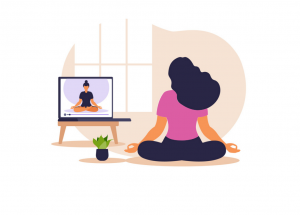
In this guide, you’ll learn:
- How yoga can benefit specific neurological conditions
- Why hot yoga may be unsafe for you
- Breathing techniques that help regulate your nervous system
- Tips for practicing yoga safely and effectively
- When it may be best to avoid yoga altogether
Our goal is to help you enjoy the physical and mental benefits of yoga—without compromising your neurological health.
How Yoga Can Help Your Neurological Health
Yoga is more than just stretching or physical poses. It includes breath control (pranayama), mindful movement (asana), and mental focus (meditation). For individuals with neurological conditions like multiple sclerosis (MS), Parkinson’s disease, stroke recovery, epilepsy, or chronic migraines, yoga offers many potential benefits.
- Improves balance and coordination: Slow, controlled movements can help retrain the brain and body to work together more effectively.
- Reduces muscle stiffness and spasticity: Gentle stretching encourages flexibility and ease of movement.
- Enhances mood and lowers stress levels: Yoga has been shown to reduce anxiety and depression, which are common in many neurological conditions.
- Supports better sleep: Regular practice helps calm the nervous system and promote restful sleep.
- Promotes focus and relaxation: Mindfulness and breath awareness can reduce mental fatigue and brain fog.
Always choose yoga practices that are tailored to your specific condition and physical ability. What works for one person may not be safe or beneficial for another.
Avoid Hot Yoga
Hot yoga is practiced in heated rooms, often between 35–40°C (95–104°F). While some people enjoy the intensity, hot yoga is not recommended for those with neurological conditions. Here’s why.
- Increased risk of dehydration: High temperatures can cause excessive sweating, leading to fluid and electrolyte loss.
- Impaired temperature regulation: Many neurological conditions, such as MS, affect the body’s ability to manage internal temperature, making overheating dangerous.
- Exacerbation of symptoms: Heat can temporarily worsen muscle weakness, fatigue, dizziness, or numbness.
- Greater risk of falls or injury: Overheated environments may cause light-headedness or impaired balance.
Instead, look for:
- Gentle, non-heated yoga classes
- Chair yoga or restorative yoga sessions
- Online videos led by instructors trained in adaptive yoga or neurological conditions
Safe Breathing Techniques for Neurological Health
Breathing exercises can calm your nervous system, reduce anxiety, and improve brain oxygenation. These techniques are gentle and can be done seated or lying down.
1: Diaphragmatic (Deep Belly) Breathing
- Sit or lie comfortably
- Place one hand on your chest and one on your abdomen
- Inhale through your nose so your belly rises (chest remains still)
- Exhale gently through your mouth or nose, feeling your belly fall
- Continue for 5–10 minutes. You can make this a daily practice
Benefits: Reduces stress, enhances oxygen flow, calms the mind
2. Alternate Nostril Breathing (Nadi Shodhana)
- Sit in a quiet, comfortable position
- Close your right nostril with your thumb and inhale through the left
- Close your left nostril with your ring finger and exhale through the right
- Inhale through the right, close it, and exhale through the left
- Repeat for 3–5 minutes
- Inhale through the nose for a count of 4
- Hold your breath for a count of 4
- Exhale through the nose for 4
- Hold your breath out for 4
- Repeat for 3–5 minutes
Benefits: Balances brain hemispheres, promotes mental clarity, eases anxiety
3. Box Breathing (Four-Part Breath)
- Inhale through the nose for a count of 4
- Hold your breath for a count of 4
- Exhale through the nose for 4
- Hold your breath out for 4
- Repeat for 3–5 minutes
Benefits: Helps regulate the nervous system, improves focus, and manages stress
Tips for Practising Yoga Safely
To make your yoga experience safe and beneficial, keep these guidelines in mind.
-
1
Get medical clearance: Always speak with your neurologist, physiotherapist, or primary care provider before starting yoga.
-
2
Start small: Begin with 10–20 minutes of gentle movement or breath work and build gradually.
-
3
Use props: Blocks, bolsters, chairs, or cushions can help support you and reduce strain.
-
4
Stay hydrated: Drink water before and after your practice.
-
5
Avoid pain or strain: If a pose causes discomfort, dizziness, or pressure in your head or chest, skip it.
-
6
Take breaks: Yoga is not a competition. Rest as often as needed.
-
7
Follow specialised practices: Look for instructors with experience in therapeutic or adaptive yoga for neurological conditions.
When to Avoid Yoga
There are times when it may be better to pause your yoga practice. Avoid yoga if you are experiencing:
-
1
Severe dizziness or unsteadiness
-
2
Acute or sudden numbness or weakness
-
3
Uncontrolled seizures
-
4
Severe headaches, visual changes, or confusion
-
5
Any symptoms your doctor has advised you to monitor closely.
-
6
Always check with your healthcare team before returning to yoga.
Frequently Asked Questions
Start small—just 10–20 minutes, 2–3 times per week is enough to begin noticing benefits. Consistency is more important than duration. Increase as your comfort and strength grow.
It’s best to rest during severe symptom flares. Gentle breathing or visualisation exercises may still be helpful, but always follow your body’s cues and consult your healthcare provider if you’re unsure.
Yes—if you practise safely. Use a chair, wall, or yoga props for support. Avoid any poses that make you feel unsteady or put you at risk of falling. Chair yoga or modified poses are great options for building strength without strain