Your Arthroscopic Shoulder Rotator Cuff Repair Surgery
 Download PDF
Download PDF
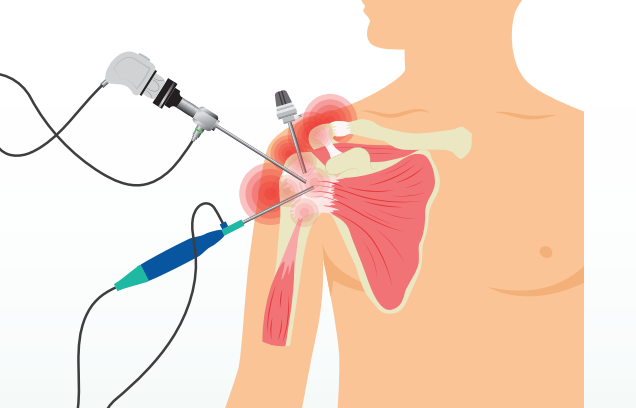
Your Arthroscopic Shoulder Rotator Cuff Repair Surgery
We want to ensure that you receive the highest level of healthcare. This means keeping you educated and informed about what is involved in the different stages of your Arthroscopic Shoulder Rotator Cuff Repair Surgery. If you have any questions or concerns, please speak with your doctor or medical team.
Understanding Arthroscopic Shoulder Rotator Cuff Repair Surgery
What is Arthroscopic Shoulder Rotator Cuff Repair?
Arthroscopic Shoulder Rotator Cuff Repair is a minimally invasive surgical procedure performed to repair tears or injuries in the rotator cuff tendons of the shoulder. The rotator cuff is a group of muscles and tendons that help stabilise and move the shoulder joint. Tears in the rotator cuff can cause pain, weakness, and limited range of motion in the shoulder.
How to Prepare for Your Arthroscopic Shoulder Rotator Cuff Repair Surgery
Your doctor will advise you to:
- Do pre-operative blood tests, ECG, and X-rays
- Have a Pre-Anaesthesia Check-up Appointment (PAC) with the anaesthetist, who will inform you when you are to stop eating and drinking and if there is a need to do any further investigations before the procedure
- Avoid blood thinners within 72 hours before and 24 hours after the surgery
- Follow specific instructions about if and when to take your insulin or other diabetic medication, if you have
diabetes - Take all other medications as usual with small sips of water on the morning of your procedure
- Leave your jewellery and other valuables at home
- Bring a current list of medications and allergies with you to the hospital
- Bring your government-issued identification
- Ensure you have someone to drive you home after your procedure and to help you at home with everyday tasks such as cooking, bathing, and laundry.
The Day of the Procedure
Make sure that you do not eat anything and follow the instructions given by the anaesthetist regarding your routine medications.
What to Expect During the Procedure
These are the FOUR STEPS you will go through when you come to Health City for an Arthroscopic Shoulder Rotator Cuff Repair Surgery.
STEP 1
You will be admitted 60 minutes before your procedure unless otherwise advised by the patient care coordinator. After check-in, a healthcare provider will lead you to a room where you can change into a hospital gown.
STEP 2
A nurse will check your vitals such as blood pressure, pulse, and oxygen, and place an IV line in your arm to begin delivering sedatives and pain medication to your bloodstream if necessary. From there, you will be taken inside the operating room for your procedure.
STEP 3
The anaesthetist will give you a general anaesthetic, which puts you into a sleep-like state. Your orthopaedic surgeon might also inject a numbing medicine around nerves or in and around the joint to help block pain after your surgery. Your surgeon will make small incisions in the shoulder and insert a tiny camera called an arthroscope and specialised surgical instruments to visualise and repair the torn rotator cuff. The torn tendon is reattached to the bone using sutures or small anchors, restoring stability and function to the shoulder joint. The procedure usually takes 60-90 minutes, depending on the size and complexity of the tear.
STEP 4
After surgery, you will rest in a recovery area for a short time before being taken back to your hospital room. You will likely be discharged on the same day. However, your surgeon will discuss with you before your surgery how long you are expected to stay in the hospital; this all depends on your individual needs. Please ensure someone is available to drive you home after surgery.
Your care team will need to ensure that all is stable before you are discharged by checking that:
- Your vital signs are within an acceptable range; and
- Your pain is manageable, and you do not feel nauseous.
Recovering from an Arthroscopic Shoulder Rotator Cuff Repair Surgery
You can expect some pain, swelling, and bruising after surgery. You should:
- Use ice packs or ice cubes and elevate your arm to reduce swelling and promote healing;
- Take prescription pain relievers, such as opioids, as prescribed; and
- Avoid heavy lifting and strenuous activities for several weeks following surgery.
Physiotherapy is an essential part of the recovery process after Arthroscopic Shoulder Rotator Cuff Repair. Your therapist will develop a personalised rehabilitation programme to help restore strength, flexibility, and range of motion in the shoulder.
Recovering Timeline
Surgery can vary depending on the individual, the extent of the injury, and the specific procedure performed. However, here’s a general timeline that you might expect:
Recovery Plan/Activities
You'll likely experience pain and discomfort immediately after the surgery, which can be managed with pain medications prescribed by your doctor. Your shoulder will be immobilised with a sling to protect the repair and promote healing. You may begin gentle exercises as instructed by your surgeon or physiotherapist to prevent stiffness and improve circulation.
You'll continue to wear the sling most of the time, only removing it for gentle exercises and hygiene. Physiotherapy may begin, focusing on passive range-of-motion exercises to prevent stiffness and maintain flexibility. You'll likely need assistance with daily activities like dressing and bathing, as you'll have limited mobility in your shoulder.
Gradually, you'll begin active range-of-motion exercises, still under the guidance of a physiotherapist. Strengthening exercises may be introduced, but they'll be low-impact and focused on rebuilding the muscles around your shoulder without putting too much strain on the repair site.
Depending on your progress, you may be able to start weaning off the sling during this time, but it will still be needed in certain situations to protect your shoulder.
Your range of motion and strength should continue to improve. You'll likely be able to return to more normal activities of daily living, but you should still avoid heavy lifting or strenuous activities. Physiotherapy will continue, gradually increasing in intensity as your shoulder heals.
You should have regained most of your shoulder function. Physiotherapy will focus on further strengthening your shoulder muscles and improving endurance. You may start incorporating more sports-specific or work-related activities into your rehabilitation programme under the guidance of your therapist.
You should be able to gradually return to full activity, including sports or physically demanding work, although you may still need to be cautious and avoid overexertion.
It’s important to note that this timeline can vary widely from person to person, and it’s essential to follow your surgeon’s and physiotherapist’s recommendations closely for the best outcome.
Additionally, complications such as infection or re-injury can prolong the recovery process, so it’s crucial to communicate any concerns with your healthcare team.
Follow-up Appointments
After an Arthroscopic Shoulder Rotator Cuff Repair procedure, the dressing needs to be changed twice a week until the sutures are removed. Within 14 days following the date of surgery, the sutures will be taken out. Your X-ray and doctor consultation will be 3 to 4 weeks post-surgery.
Frequently Asked Questions
Other Patient Pathway Posts
Pulmonary Embolism

What to Expect After a Head Injury

Recovering After A Concussion
How to Care for a Child Who Has Croup

Choking: What You Can Do to Help
Understanding Your Headache & When to Seek Help
Understanding Burns
Recognising the Red Flags of Cauda Equina Syndrome
Recovering After Cauda Equina Syndrome
Recovery From Back Pain