Your Coronary Angiogram Experience
 Download PDF
Download PDF

Your Coronary Angiogram Experience
We want to ensure that you receive the highest level of healthcare. This means keeping you educated and informed about what is involved in the different stages of your procedure. This guide will take you through the Coronary Angiogram procedure. If you have any questions or concerns, please speak with your doctor or medical technician.
What is a Coronary Angiogram?
A Coronary Angiogram is a diagnostic procedure used to assess issues with blood vessels. It takes a series of X-rays using an iodine dye that helps to reveal blood flow through vessels and any blockages they may have. A Coronary Angiogram can help your medical team to diagnose a range of diseases. Your doctor may suggest a Coronary Angiogram because of your recent clinical assessment or results such as, but not limited to, new or unusual chest pain, heart attack, or abnormal stress test results.
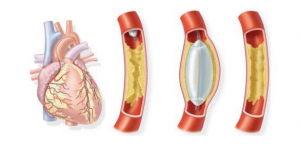
Preparing for your Angiogram
If you are having a planned Angiogram, your doctor will advise you to:
- Do certain blood tests
- Take all other medications as usual with small sips of water on the morning of your procedure
- Leave your jewelry and other valuables at home
- Bring a current list of medications and allergies with you to the hospital
- Bring your identification
- Ensure you have someone to drive you home post procedure. You will most likely be home the same day as your procedure or you may need to stay overnight. However, you will not be allowed to drive home. The procedure can take up to one hour depending on your situation and recovery typically takes several hours at the hospital before discharge.
If you are diabetic, you will be advised if and when to take your medication.
The Day of the Procedure
Make sure that you do not eat anything and follow the instructions given by the medical team regarding your routine medications.
Here’s what you can expect when you come to Health City for a Coronary Angiogram.
STEP 1
You will be admitted 45-60 minutes before your procedure unless otherwise advised by the patient care coordinator. After check-in, a healthcare provider will lead you to a room where you can change into a hospital gown. A nurse will check your vitals such as blood pressure, pulse, and oxygen, and place an IV line in your hand or arm.
STEP 2
From there, you will be taken to the procedure room, most likely called the catheterisation laboratory or cath lab for short, for your procedure.
STEP 3
Sticky patches called electrodes are placed on your chest to check your heartbeat. Your blood pressure, heart rate, pulse, and oxygen level are continuously checked before, during and after the procedure. A member of your healthcare team may shave any hair from the body area where the catheter will be inserted.
STEP 4
Most persons are awake during a Coronary Angiogram. However, some people may need to be given general anaesthetic to put them to sleep for the procedure. Your doctor will discuss this with you beforehand. Fluids and other medicines, such as blood thinners and a light sedative to help you relax, are given through the IV line.
STEP 5
The doctor will disinfect and numb the area of the body where the catheter will be inserted. They will make a small cut in the skin and insert the catheter into an artery in the arm, upper thigh, or groin. You might feel pressure in the area where the catheter is inserted but you should not feel any pain as the area will be numb.
STEP 6
Once the catheter is inside the artery, the doctor will carefully guide it to the blood vessel they want to examine. They will inject the contrast dye through the catheter and take X-ray images of the blood vessel. You may feel a slight burning sensation when the doctor injects the contrast dye. The contrast dye makes blood vessels more visible on X-ray images when checking for any blockages. If blockages are found, the doctor will complete an angioplasty. This will be discussed with you beforehand and your consent given before your procedure.
STEP 7
After taking the X-ray images, the doctor will remove the catheter and apply steady pressure on the area for about 15 minutes. This ensures that there is no internal bleeding.
STEP 8
You will be moved to the recovery room for a short time before being taken back to your hospital room. The doctor will come and speak with you or your relatives to discuss the immediate results if blockages were seen but a full report will be available at a later date.
Your Recovery
- You will likely be in hospital for the day. The procedure will take up to one hour and your recovery time at home will be 2-4 days.
- Don’t drive or do any physical activity for the next 24 hours.
- Keep the wound clean and dry. Avoid taking baths, using hot tubs, or swimming while the wound heals.
You should contact your doctor if you have:
- Symptoms of an infection – redness, swelling, or worsening pain near the wound, drainage or discharge/bleeding from the wound, or fever;
- Pain or discomfort;
- A hard time speaking or smiling; or
- Numbness, weakness, a lump, warmth or swelling in the arm or leg where the catheter was inserted.
Coronary Angiogram Risks
Most people have a very low risk of developing major complications after a Coronary Angiogram. However, there are risks including:
- Allergic reactions to the local anaesthetic, contrast dye, or sedative;
- Bleeding, bruising, or soreness at the insertion site;
- Blood clots, injury to an artery or vein or walls of the heart;
- Acute kidney failure; and
- Heart attack or stroke, though this is highly unlikely.
Frequently Asked Questions
Other Patient Pathway Posts
Pulmonary Embolism

What to Expect After a Head Injury

Recovering After A Concussion

How to Care for a Child Who Has Croup

Choking: What You Can Do to Help

Understanding Your Headache & When to Seek Help
Understanding Burns
Recognising the Red Flags of Cauda Equina Syndrome
Recovering After Cauda Equina Syndrome
Recovery From Back Pain