Your Lung Ventilation and Perfusion Scan Journey
 Download PDF
Download PDF
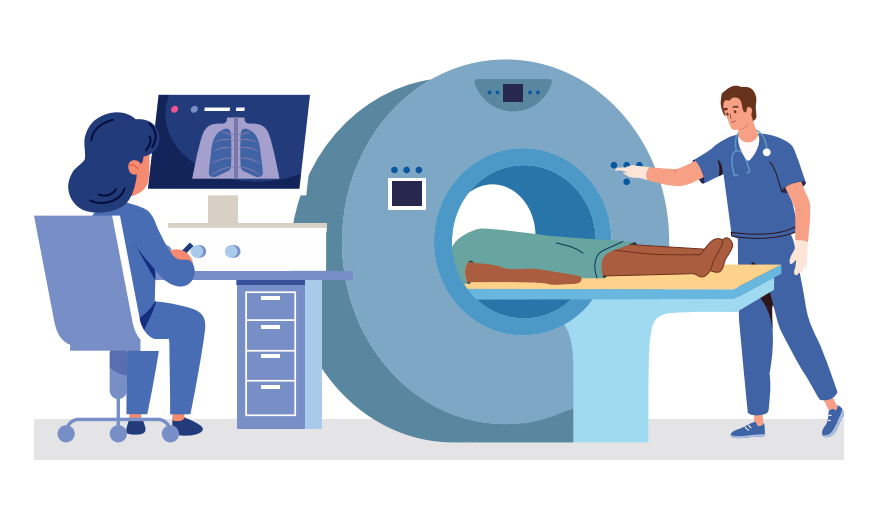
Your Lung Ventilation and Perfusion Scan Journey
We are dedicated to providing the highest quality care. If you have any questions, please speak with your doctor or the nuclear medicine team.
What is a V/Q Scan?
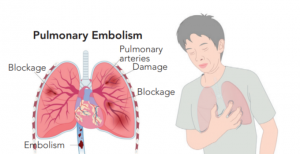
A Lung Ventilation and Perfusion (V/Q) Scan is a two-part nuclear medicine test that shows how air (ventilation) and blood (perfusion) move through your lungs. It is most commonly used to check for a pulmonary embolism (PE) — blood clot in the lungs — but may also help assess other lung conditions or uneven airflow.
Why This Scan May Be Needed
Your doctor may refer you for a V/Q Scan if you have:
- Sudden shortness of breath
- Chest pain, especially when breathing
- Suspected pulmonary embolism (PE)
- Chronic lung conditions (e.g. COPD, asthma)
- Pre-operative assessment for lung surgery.
The Test helps determine whether the lungs are getting enough air and blood flow and whether there are any mismatches between the two.
How to Prepare for Your Scan
Please observe the following tips to help ensure the Scan goes smoothly:
- Clothing: Wear loose, comfortable clothes without metal (zips, underwire, etc.) around the chest. You may be asked to change into a gown.
- Medications: Take your usual medications unless instructed otherwise. Bring a list of your current medicines.
- Pregnancy/Breastfeeding: Let us know if you are pregnant or breastfeeding before the Test.
- Infections: If you have a cold, cough, or are unwell, please inform the department in advance; you may be asked to reschedule.
What to Expect on the Day
STEP 1: Arrival and Check-In
Please arrive 15 minutes early and check in at the front desk. A member of our nuclear medicine team will meet and escort you to the nuclear medicine department.
STEP 2: Ventilation Scan
- You will be asked to breathe in a harmless radioactive gas or aerosol through a mask or mouthpiece.
- This allows imaging of the air flow in your lungs.
- The process takes about 10–15 minutes, and you may be asked to hold your breath briefly at times.
STEP 3: IV Line and Perfusion Scan
- A nurse will insert an IV cannula into your arm for the injection of a small amount of radioactive tracer.
- A special camera will take images showing how blood flows through your lungs.
- This part also takes about 10–15 minutes.
STEP 4: After the Scan
- A nurse will remove the IV and you may go home.
- You can return to normal activities straight away.
- Drink plenty of fluids to help clear the tracer from your body.
- Your doctor will receive the results within a few days.
Frequently Asked Questions
Other Patient Pathway Posts
Pulmonary Embolism

What to Expect After a Head Injury

Recovering After A Concussion
How to Care for a Child Who Has Croup

Choking: What You Can Do to Help
Understanding Your Headache & When to Seek Help
Understanding Burns
Recognising the Red Flags of Cauda Equina Syndrome
Recovering After Cauda Equina Syndrome
Recovery From Back Pain