How to Care for a Child Who Has Croup
 Download PDF
Download PDF
How to Care for a Child Who Has Croup
We are here to ensure you feel informed, comfortable, and supported throughout your journey. If you have any questions, please speak with your doctor or the medical team.
Understanding Croup
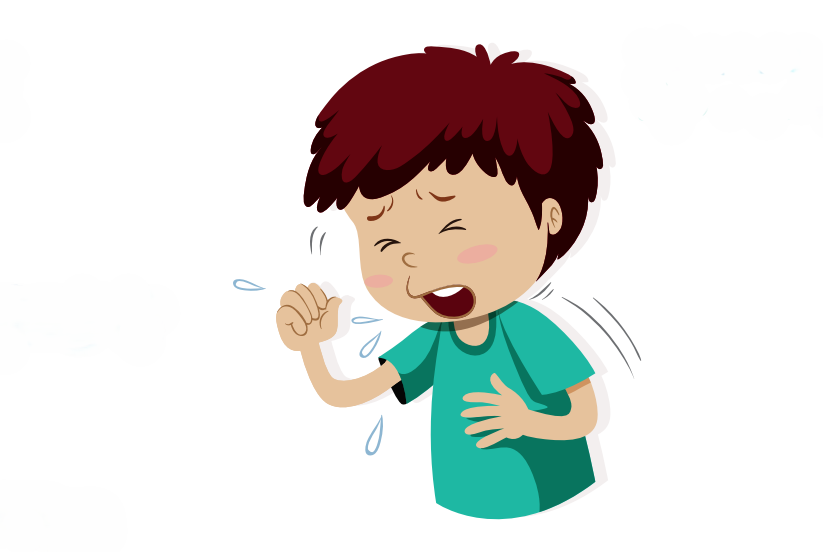
Croup is a respiratory condition typically caused by a viral infection, most commonly in young children. It leads to inflammation and swelling in the upper airway, specifically the larynx (voice box) and trachea (windpipe). This inflammation can make breathing difficult and produces a characteristic ‘barking’ cough, often compared to the sound of a seal. Croup is usually a self- limiting illness, and most children recover completely without complications.
What to Expect
Improvement Over Time
- Most children start feeling better within 3–5 days. However, the cough and mild symptoms may linger for up to a week
- Symptoms are often worse at night, so it’s normal for your child to seem better during the day but have some night time flare-ups.
Lingering Barky Cough
- The distinctive barking cough may persist for a few days but should gradually improve as the swelling in the airway decreases.
Mild Fatigue or Irritability
- Your child may feel tired or cranky as their body recovers from the illness and the stress of their symptoms.
Home Care Tips
Stay Calm and Reassuring
Croup can be scary for kids, so keeping a calm and soothing environment helps them stay relaxed and breathe more easily.
Use a Cool-Mist Humidifier
Place one in their room to keep the air moist, which can help reduce throat irritation and ease breathing.
Hydration
Offer plenty of fluids (water, clear broths, popsicles) to keep your child hydrated and soothe their throat.
Steam or Cool Air Exposure
If they wake up with a coughing fit, bring them into a steamy bathroom or expose them to cool outdoor air (if it’s chilly outside). These methods can help ease the airway swelling temporarily.
Rest
Encourage them to rest and avoid overexertion.
While most children recover well at home, you should watch for signs that Croup is worsening.
Seek immediate medical attention if you notice:
- Increased difficulty breathing: The child is struggling to breathe, their nostrils flare, or their ribs pull in with each breath (retractions)
- Persistent stridor at rest: High-pitched breathing noises when your child is calm
- Blue or pale lips or skin
- Extreme fatigue or lethargy: Difficulty staying awake or feeling unusually weak
- Dehydration: Dry mouth, crying without tears, or fewer wet diapers than usual.
Frequently Asked Questions
Other Patient Pathway Posts
Pulmonary Embolism

What to Expect After a Head Injury

Recovering After A Concussion

Choking: What You Can Do to Help
Understanding Your Headache & When to Seek Help
Understanding Burns
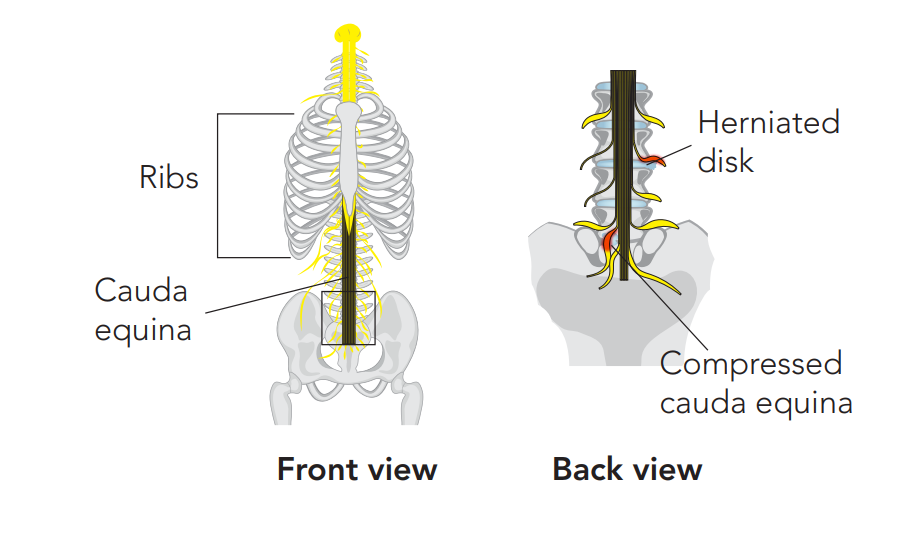
Recognising the Red Flags of Cauda Equina Syndrome
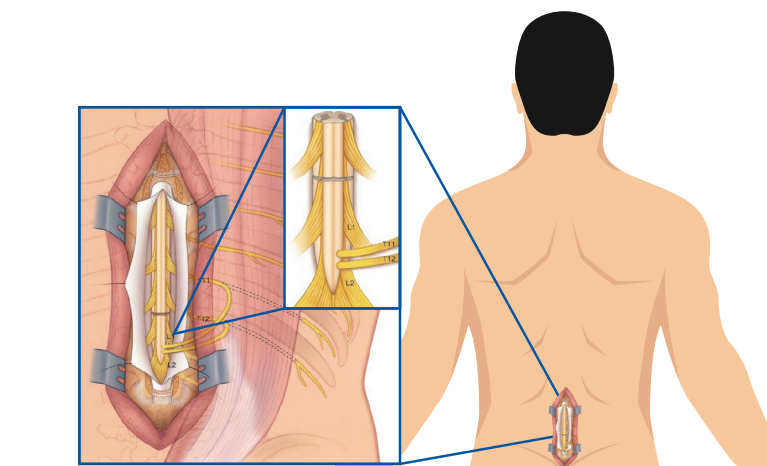
Recovering After Cauda Equina Syndrome
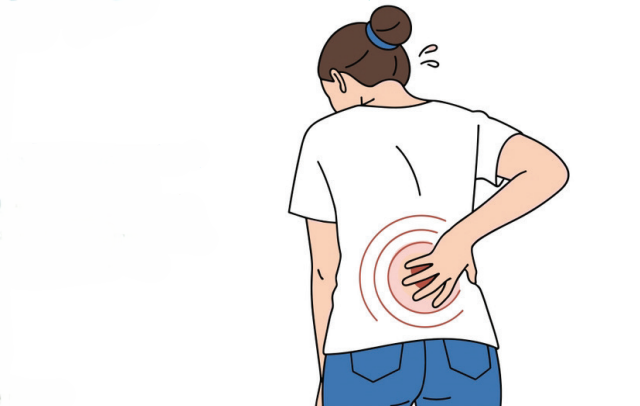
Recovery From Back Pain

Pain Relief: Safe Use of Over-the-Counter Medications