Download
Patient Guide


This booklet will take you through your Postnatal Care After Caesarean Section Delivery. A Caesarean section (C-section) is a major surgical procedure where an incision is made through your abdomen and uterus to deliver your baby. Understanding your recovery, postoperative wound care, pain management, and recognizing symptoms that require medical attention are all vital steps in ensuring a safe and smooth healing journey.
Understanding Caesarean Sections
How a C-section is performed and what takes place during surgery
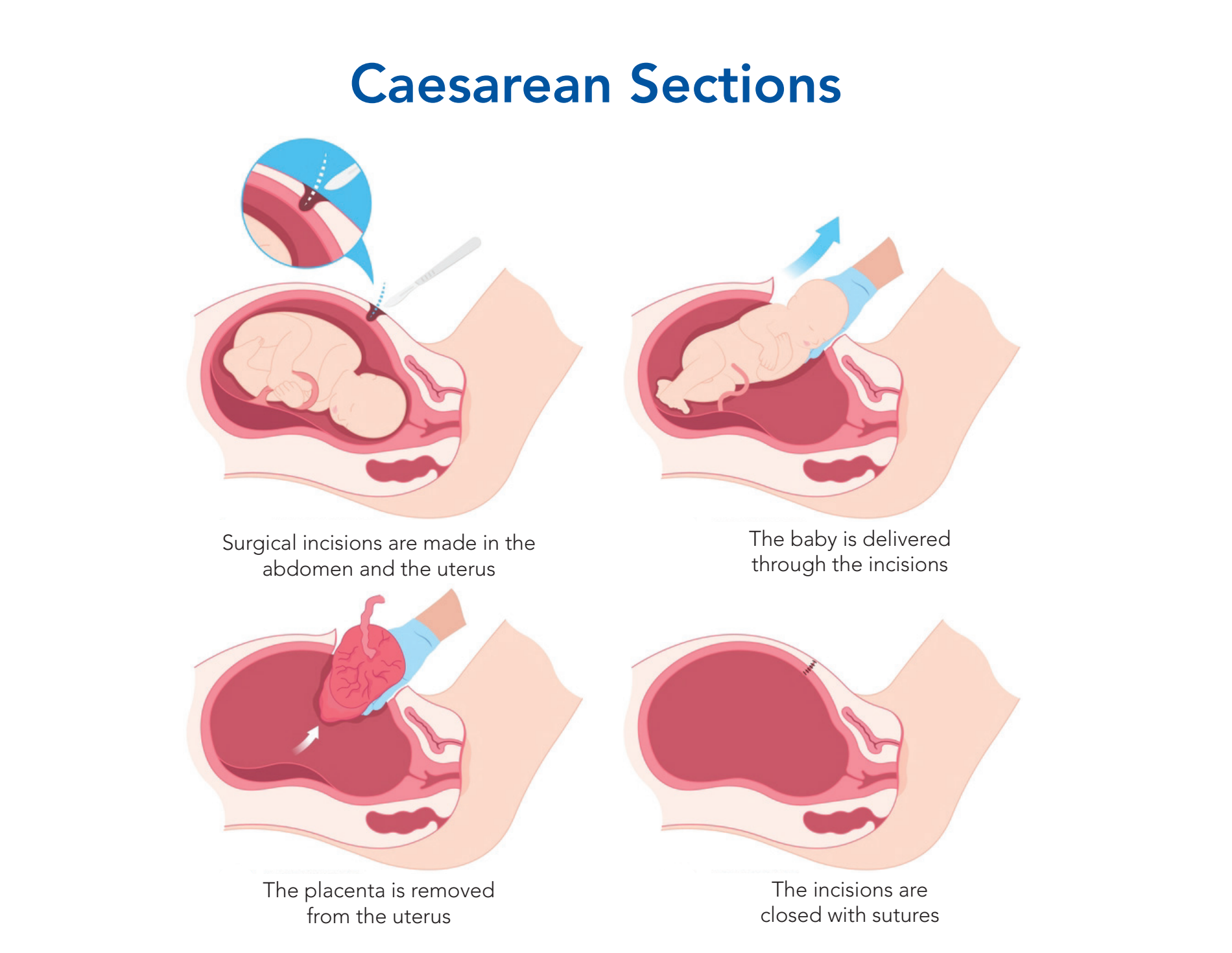
A Caesarean section is an operation to deliver a baby through a surgical cut made in the mother’s abdomen and womb. The surgery follows four key surgical phases:
- Abdominal Incision: A horizontal cut (bikini line cut) is made through the skin, fat layer, and muscle tissues of the lower abdomen.
- Delivery of the Baby: A second incision is made into the lower uterine wall, and your baby is gently guided out into the world.
- Removal of the Placenta: Following delivery, the placenta and membranes are carefully detached and removed.
- Layered Suturing & Closure: The uterus, muscle layers, and abdominal wall are closed with dissolvable sutures, and a protective sterile dressing is placed over the external incision.
What to Expect After a C-Section & Your Recovery
Guidance on pain management, mobilization, wound care, and daily activity during the postpartum period.
Pain Management & Mobilization
You will experience soreness around your incision and cramping (afterpains) as your uterus contracts. Take prescribed pain relief regularly to stay comfortable. Gentle walking shortly after surgery reduces the risk of blood clots (DVT) and helps jump-start your bowel movements.
Catheter & Bladder Function
A urinary catheter placed before surgery will remain in place until your anaesthetic wears off, usually within 12 to 24 hours. Once removed, ensure you drink plenty of fluids and pass urine comfortably without straining.
Vaginal Bleeding (Lochia)
Even with a C-section, you will experience postpartum vaginal bleeding (lochia) as your uterus heals. Use high-absorbency maternity sanitary pads rather than tampons to avoid introducing infection into the vagina or uterus.
Wound Dressing & Hygiene
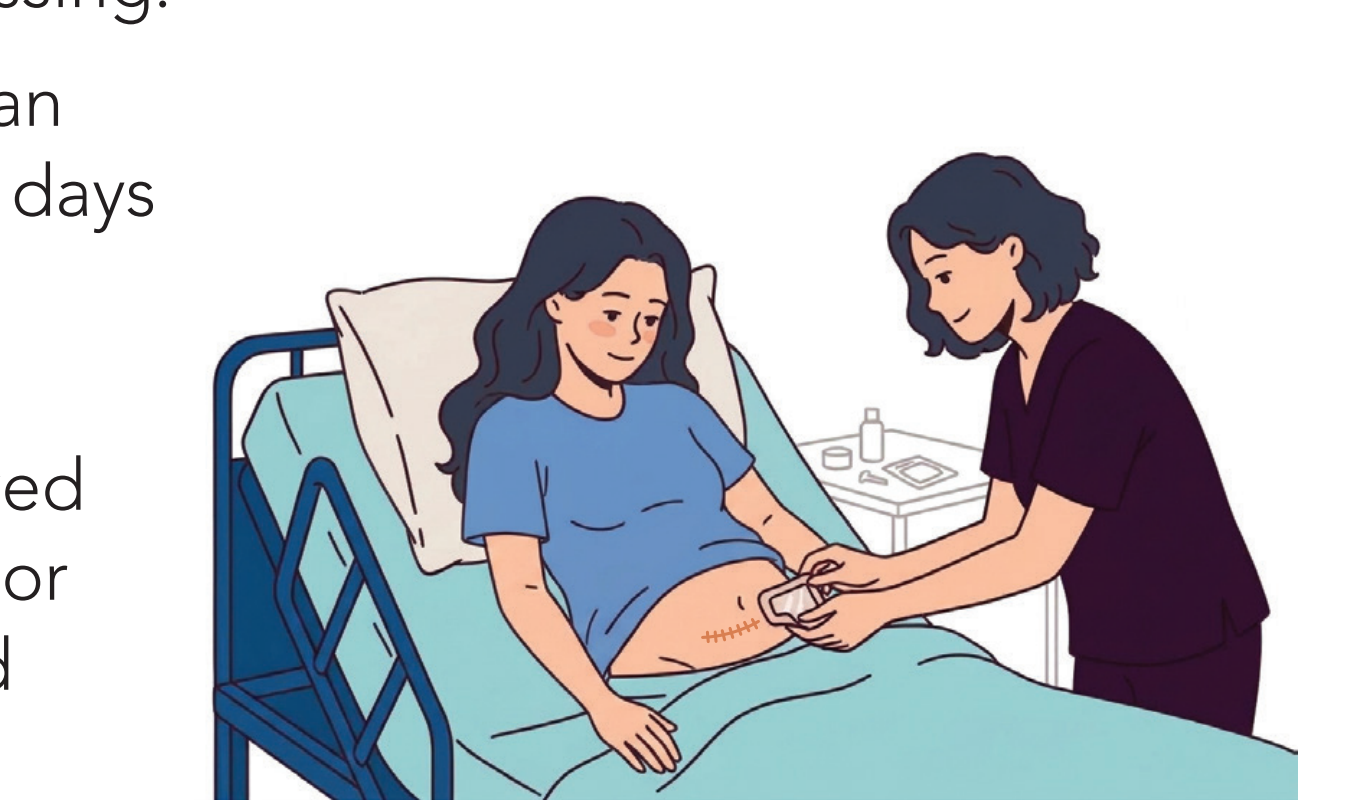
Keep your wound clean and completely dry. You may shower once permitted by your medical team; gently pat the dressing or incision dry with a clean towel. Avoid scrubbing, soaking in a bathtub, or swimming until your obstetrician confirms complete wound healing.
Activity & Lifting Restrictions
Rest as much as possible during the initial six weeks. Avoid heavy lifting—do not lift anything heavier than your newborn baby. Avoid strenuous core exercise, vacuuming, and driving until cleared by your doctor and your car insurance provider.
Sex, Fertility & Contraception
You can resume sexual intercourse once vaginal bleeding has stopped, your wound has healed, and you feel emotionally and physically ready. Ovulation can occur before your period returns, so discuss safe contraception options with your healthcare team before resuming sex.
PICO Negative Pressure Wound Therapy
Advanced wound management designed to support healing and reduce infection risks
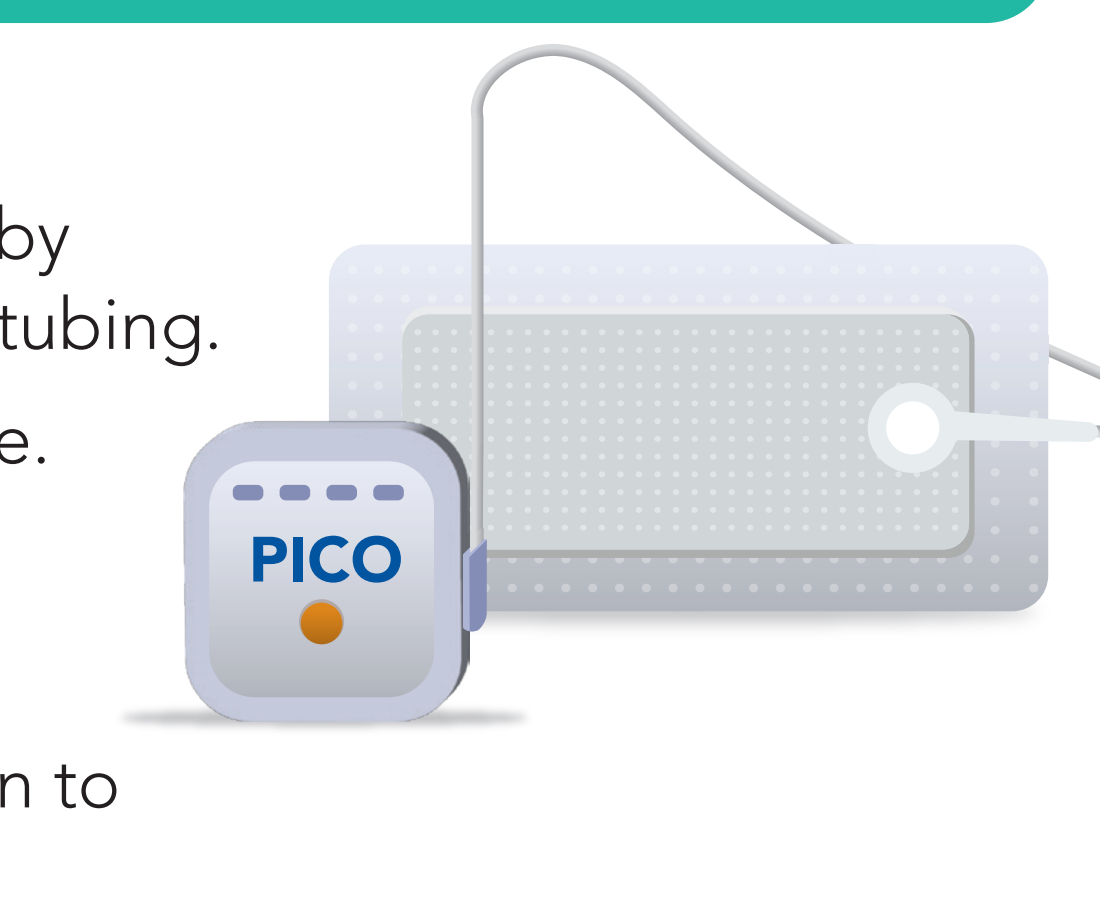
Your surgical team may apply a PICO™ single-use negative pressure wound therapy dressing over your incision:
- How it works: The portable, pocket-sized pump delivers gentle negative pressure (suction) across the incision to remove excess fluid, hold wound edges together, and protect against external bacterial contamination.
- Pump Operation: The pump runs automatically once activated. A green flashing light indicates normal operation. If an amber or flashing indicator appears, check that tubing connections are secure.
- Showering: The dressing itself is water-resistant. Before showering, pause the pump, disconnect the tubing at the quick-release clip, and keep the pump unit outside the shower. Reconnect and restart immediately after drying off.
- Removal: The PICO dressing is typically kept in place for approximately 7 days and removed during your routine clinic follow-up.
When to Seek Medical Attention
Tell your midwife, obstetrician, or doctor straight away if you experience any of the following symptoms:
| High fever (over 38°C / 100.4°F), chills, or shivering | Signs of an infection in your wound, uterus, or urinary tract |
| Sudden severe or worsening abdominal pain | Potential internal surgical complication or acute infection |
| Redness, heat, swelling, or foul-smelling oozing from the incision | Wound infection requiring prompt medical evaluation |
| Wound edges separating or opening up | Wound breakdown (dehiscence) requiring urgent clinical assessment |
| Heavy vaginal bleeding soaking >1 pad an hour or large blood clots | Postpartum haemorrhage (PPH) - emergency medical attention required |
| Pain, tenderness, swelling, or redness in one calf or leg | Possible Deep Vein Thrombosis (DVT) blood clot |
| Sudden shortness of breath, chest pain, or coughing up blood | Pulmonary Embolism (PE) - call emergency services (911) immediately |
| Severe, unrelenting headache, blurred vision, or spots before eyes | Signs of postpartum pre-eclampsia / high blood pressure |
| Pain, burning, stinging, or difficulty passing urine | Urinary tract infection (UTI) |
| Feelings of overwhelming despair, anxiety, or detachment | Postnatal depression or perinatal mood disorder - support is readily available |
If you experience sudden severe chest pain, extreme breathlessness, or collapse, call 911 or proceed to the nearest Emergency Department immediately.