Download
Patient Guide


This booklet will take you through your Colposcopy Procedure. A Colposcopy is a detailed examination of the cervix to check for abnormal cells and assess their severity. You may be invited for a colposcopy following a cervical screening test. Understanding what happens before, during, and after your appointment will help you feel informed, supported, and at ease throughout your care.
What is a Colposcopy & Why is it Needed?
Understanding your referral and what a colposcopy examination involves
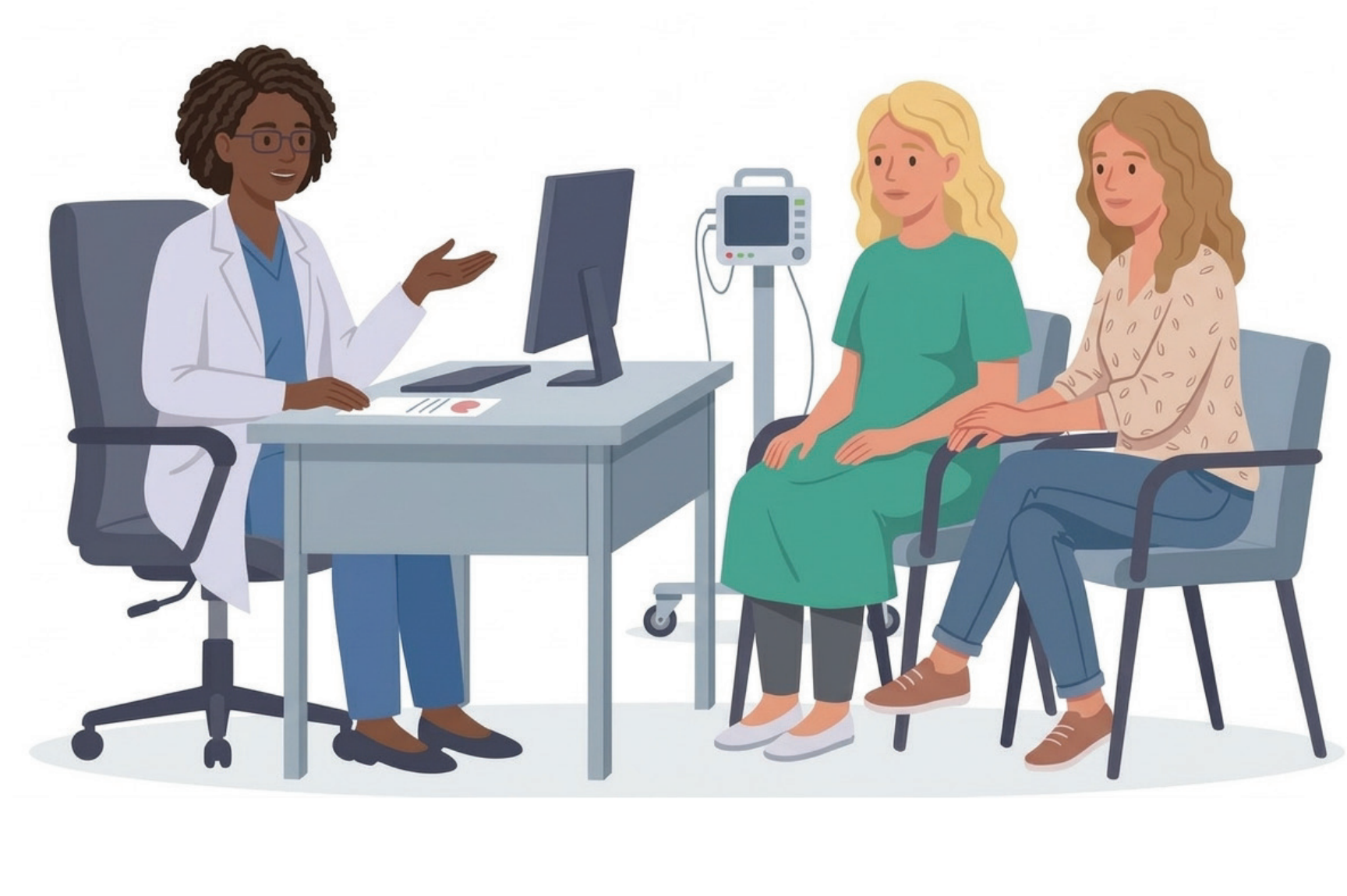
A Colposcopy is a detailed examination of the cervix to check for abnormal cells and assess their severity. It is usually carried out in a hospital outpatient clinic or procedure room.
You may be invited for a Colposcopy following the result of your cervical screening test (previously known as a smear test), usually for one of the following reasons:
- Abnormal cells were found on your cervix along with an infection with human papillomavirus (HPV).
- You have an HPV infection that has not cleared over time.
- Previous screening tests were inconclusive.
- Your cervix did not appear as healthy as expected during routine screening.
Most people referred for a Colposcopy do not have cervical cancer. The procedure acts as an early preventative measure to ensure any abnormal cervical cells are monitored or treated before they can develop into anything serious.
What to Expect on the Day & During the Procedure
A step-by-step walkthrough of your preparation, the examination, and what happens in the clinic.
Before Your Appointment
Advise the clinic in advance if you prefer a female doctor or nurse. If you expect your period, you may reschedule, although attendance during light flow is still possible. Avoid sexual intercourse, vaginal creams, lubricants, or medications for 24 hours prior. Bring a pad or panty liner for potential discharge, and you may bring a companion for support if you wish.
Getting Settled & Privacy
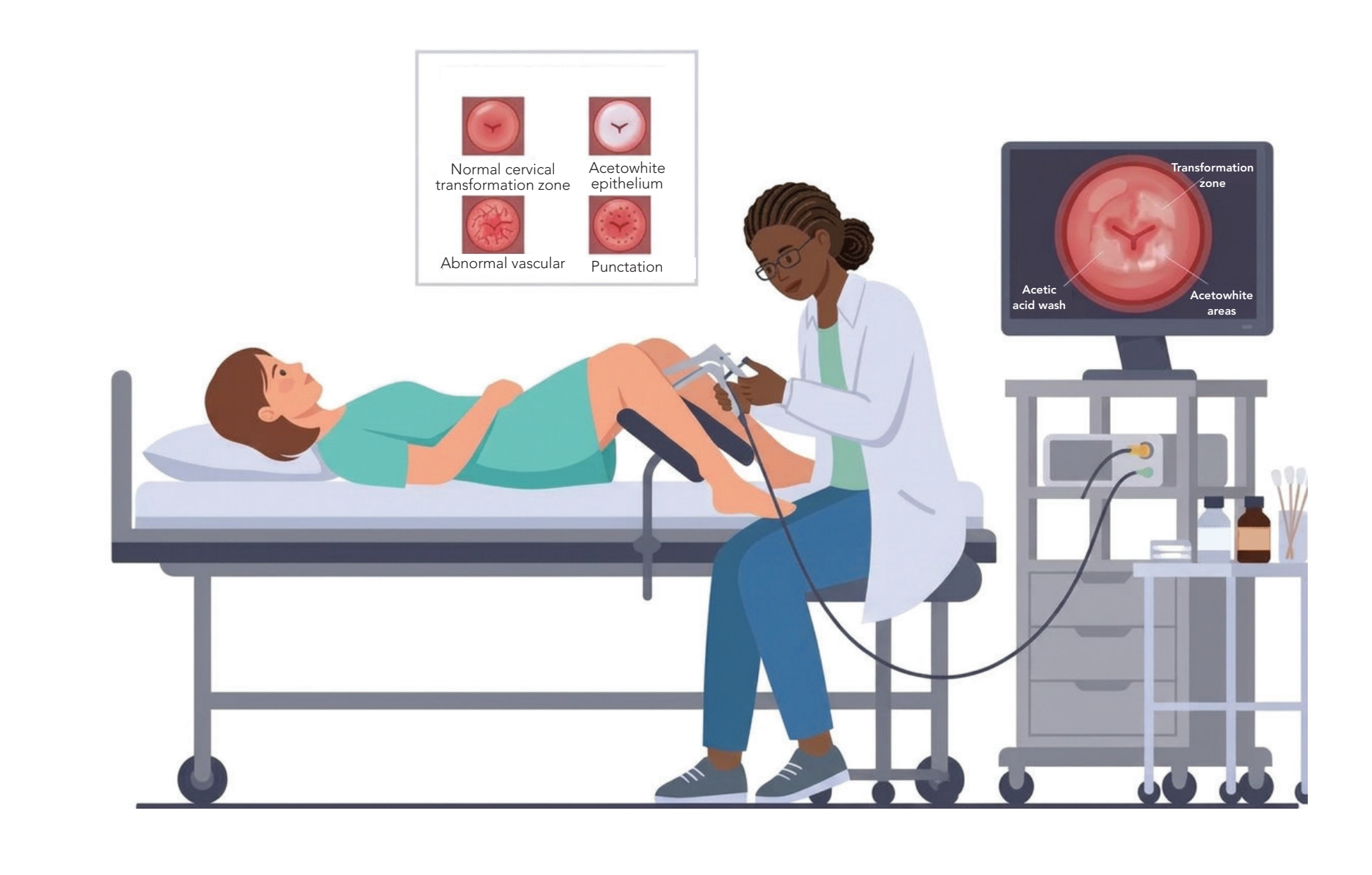
You will be asked to undress from the waist down in private and change into a gown. You will lie on an examination bed with your knees bent and your legs supported on padded rests. A sheet or towel is provided for your comfort and modesty.
Using the Colposcope
A speculum is gently inserted into the vagina (similar to a routine cervical smear test). A specialist then examines your cervix using a magnifying instrument called a colposcope. <strong>The colposcope remains outside the body (about 30 cm away) and does not touch you.</strong> Images may be displayed on a screen for optimal visibility.
Special Liquids & Staining
Special liquids (such as mild acetic acid or Lugol's iodine) may be applied to highlight any abnormal cells or transformation zones on your cervix, helping the specialist clearly identify any areas of concern.
Taking a Biopsy (If Needed)
If abnormal cells are observed, a small tissue sample (biopsy) the size of a pinhead may be taken for laboratory testing. You may feel a brief sharp sensation or mild cramping. If you feel pain or discomfort at any time, inform the nurse or doctor so adjustments can be made immediately.
Duration & Immediate Aftermath
The examination usually takes just 10 to 20 minutes. Most patients are able to return to normal activities and work immediately, although some may prefer to take it easy and rest for the remainder of the day.
Aftercare, Recovery & Treatment Options
What to expect in the days after your appointment and how abnormal cells are managed

Following your colposcopy, you may experience brownish vaginal discharge from the liquids used, as well as light bleeding for a few days, especially if a biopsy was performed.
Precautions for the next few days:
- Avoid sexual intercourse until bleeding stops.
- Do not use tampons (use sanitary pads instead).
- Avoid vaginal creams, lubricants, or medications.
These precautions help reduce the risk of infection and support natural healing.
Treatment – Removing Abnormal Cells:
If high-grade abnormal cells are confirmed, the most common treatment is LLETZ (Large Loop Excision of the Transformation Zone). This outpatient procedure removes abnormal cells while preserving as much healthy tissue as possible. If you are pregnant, treatment is usually delayed until after delivery.
When to contact your doctor: Contact your clinic if you experience heavy or prolonged bleeding, unusual vaginal discharge with odour, or persistent abdominal pain.
Understanding Your Results
A guide to possible biopsy and examination findings, what they mean, and recommended next steps:
| Normal Result | About 4 in 10 people will have a normal result. Your cervix appears healthy and your risk of cervical cancer is low. You will return to routine cervical screening. |
| Abnormal Cells (CIN) | About 6 in 10 people will have abnormal cells, termed CIN (cervical intraepithelial neoplasia). CIN is not cancer, but it may develop into cancer over time if left untreated. Further assessment determines if monitoring or treatment is required. |
| CIN 1 (Low Grade) | Low risk of developing cervical cancer. These changes often clear naturally on their own. Follow-up cervical screening is usually recommended in 12 months. |
| CIN 2 or CIN 3 (High Grade) | Higher risk of developing cervical cancer if untreated. Treatment (such as LLETZ) is usually recommended to safely remove the abnormal cells. |
| Cervical Cancer | In rare cases, Colposcopy may detect cervical cancer. You will be promptly referred to a specialist gynaecological oncology team. Early detection improves treatment outcomes significantly. |
In some cases, the doctor will discuss visual findings with you immediately. If a biopsy is taken, results are usually available within 2 weeks.