Table Of Contents
- Immediate Postnatal Period
- Physical Recovery and Self-Care
- Emotional Wellbeing
- When to Seek Medical Attention

Download Patient Guide
Download the complete patient booklet for Postnatal Care After Vaginal Delivery.
 Download
Patient Guide


This booklet will take you through your Postnatal Care After Vaginal Delivery.
Congratulations on the birth of your baby! The postnatal period is a time of recovery and adjustment. Your body will heal while you begin caring for your newborn. Understanding what is normal and when to seek help is important.
Immediate Postnatal Period
In the first few hours after delivery, you will be monitored closely for bleeding, blood pressure, and recovery while receiving comprehensive support with feeding and newborn care.
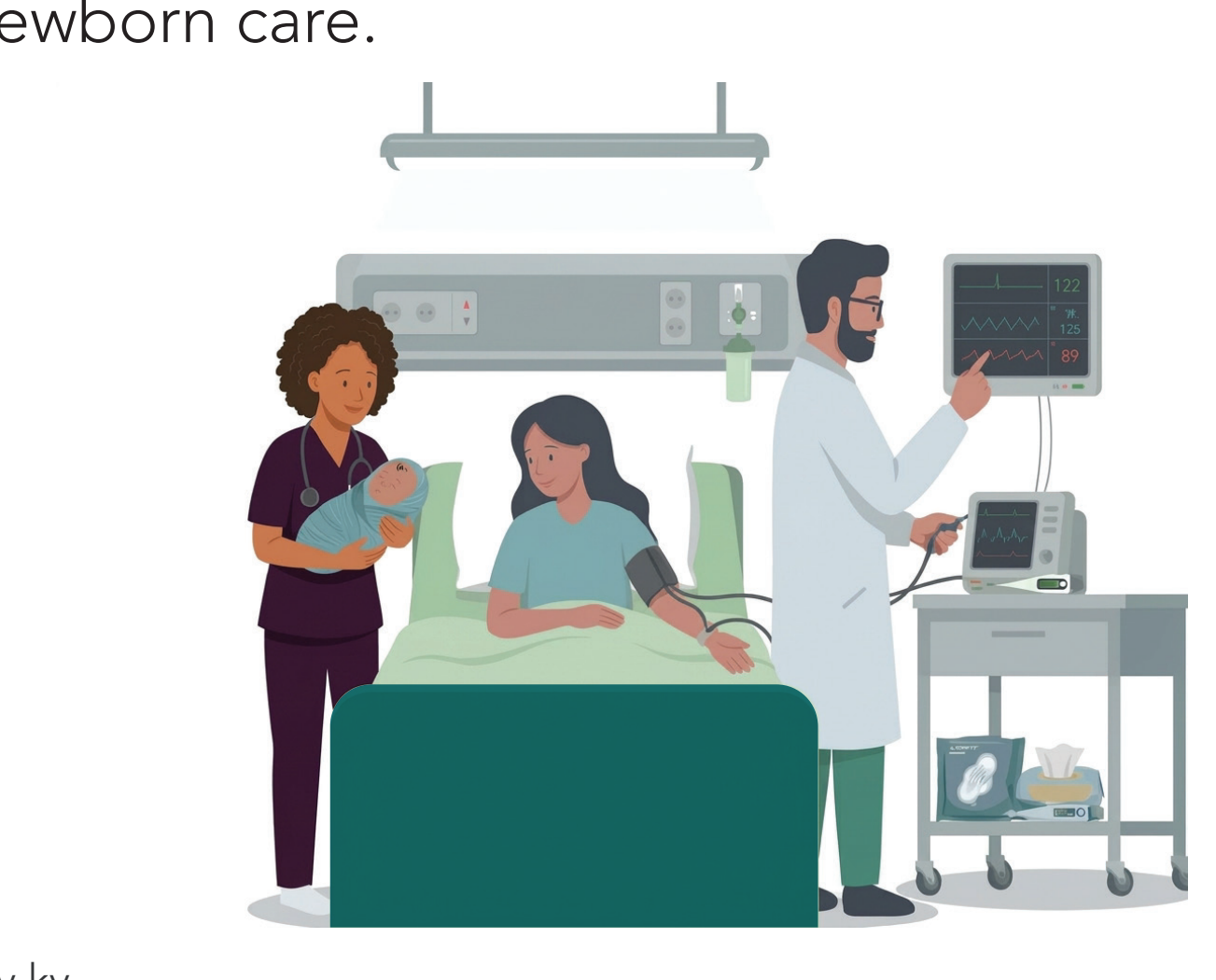
In the first few hours after delivery:
- You will be monitored for bleeding, blood pressure, and recovery.
- Your uterus will contract (may feel like cramps, especially when breastfeeding).
- You may feel tired or emotional as your body adjusts.
- You will also receive dedicated guidance with feeding and newborn care.
Physical Recovery and Self-Care
Key guidelines for your daily recovery, personal hygiene, and healing in the weeks following delivery.
Bleeding After Birth (Lochia)
Vaginal bleeding is normal and may last several weeks. It is usually heavy at first, then becomes lighter and brownish; you’ll need super-absorbent period pads. Change them regularly, washing your hands before and afterwards. Bleeding may feel heavier or redder when breastfeeding as the womb contracts. Contact your doctor if you pass large clots or if bleeding becomes very heavy.
Perineal Care & Stitches
If you’ve had stitches after tearing or an episiotomy, bathe them daily to help prevent infection. Have a bath or shower with plain warm water, then carefully pat dry. If stitches feel sore, pain relief can help—if breastfeeding, check with your doctor or midwife before taking over-the-counter medication. Stitches typically dissolve naturally.
Going to the Toilet & Piles
Drinking plenty of water dilutes urine and reduces stinging. Holding a clean tissue pad gently over stitches when passing stool can help. Eat plenty of fresh fruit, vegetables, and whole grains to prevent constipation. Haemorrhoids (piles) are common and usually resolve within a few weeks; avoid pushing or straining.
Breast Changes & Feeding
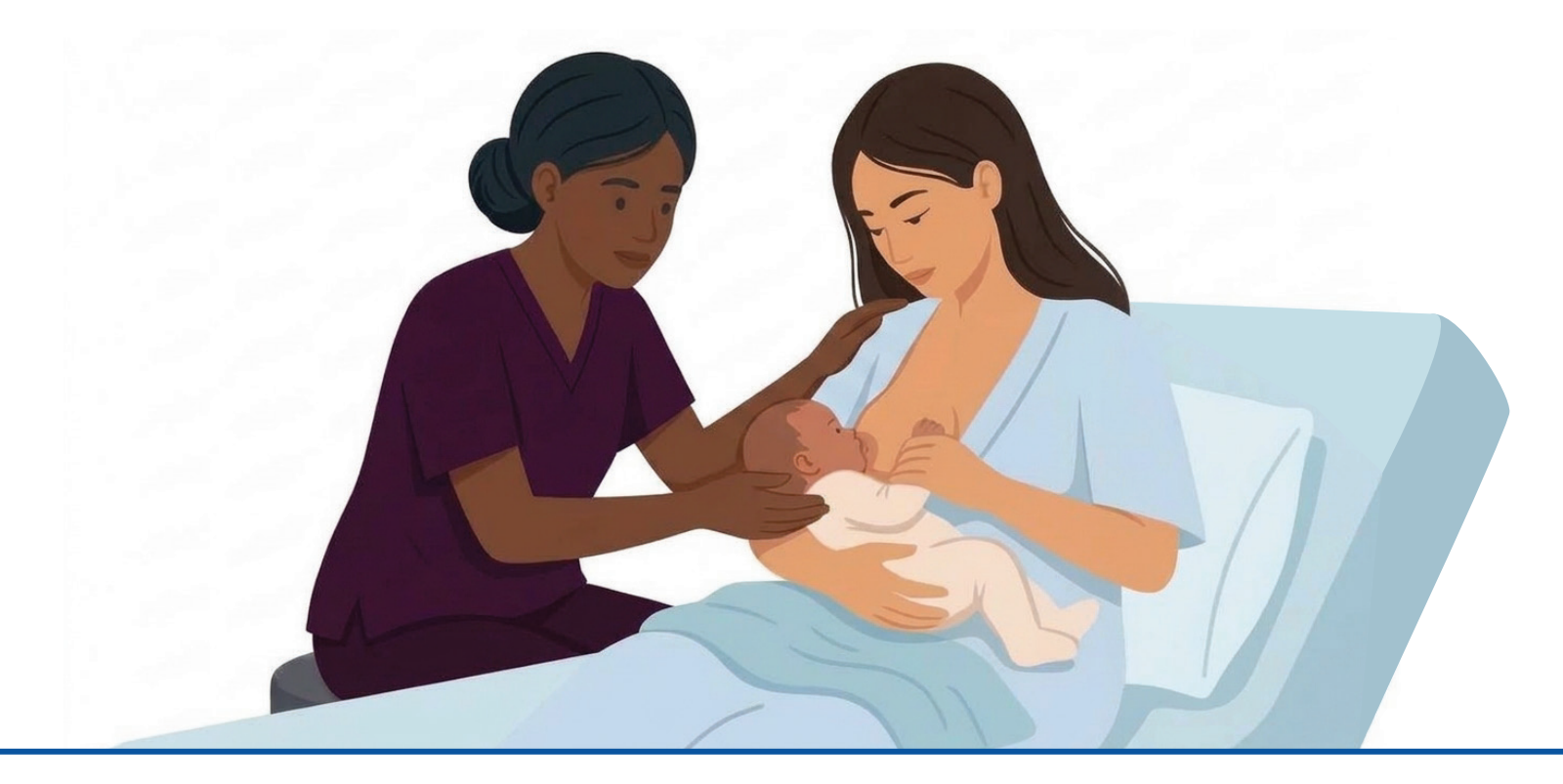
To begin with, your breasts produce colostrum, a nutrient-rich yellowish liquid for your newborn. By the third or fourth day, breasts may feel tight and tender as milk comes in. Wearing a supportive nursing bra can help. Speak with your midwife if you experience severe discomfort or need latching support.
Activity and Rest
Rest as much as possible and gradually return to light activity. Avoid heavy lifting—do not lift anything heavier than your baby. Avoid strenuous workouts early on, and wait until your 6-week appointment for doctor clearance.
Periods, Fertility & Contraception
Your periods may return within 5 to 6 weeks if bottle-feeding, or later if exclusively breastfeeding. You can conceive any time after birth, even before your period returns. It is important to begin contraception within 21 days of delivery if you wish to prevent pregnancy. Discuss the best method for you with your midwife or doctor.
Emotional Wellbeing
Mood changes are common after having a baby. You may feel emotional, tearful (often called the 'baby blues'), or overwhelmed at times. This is normal and usually improves within a few days.
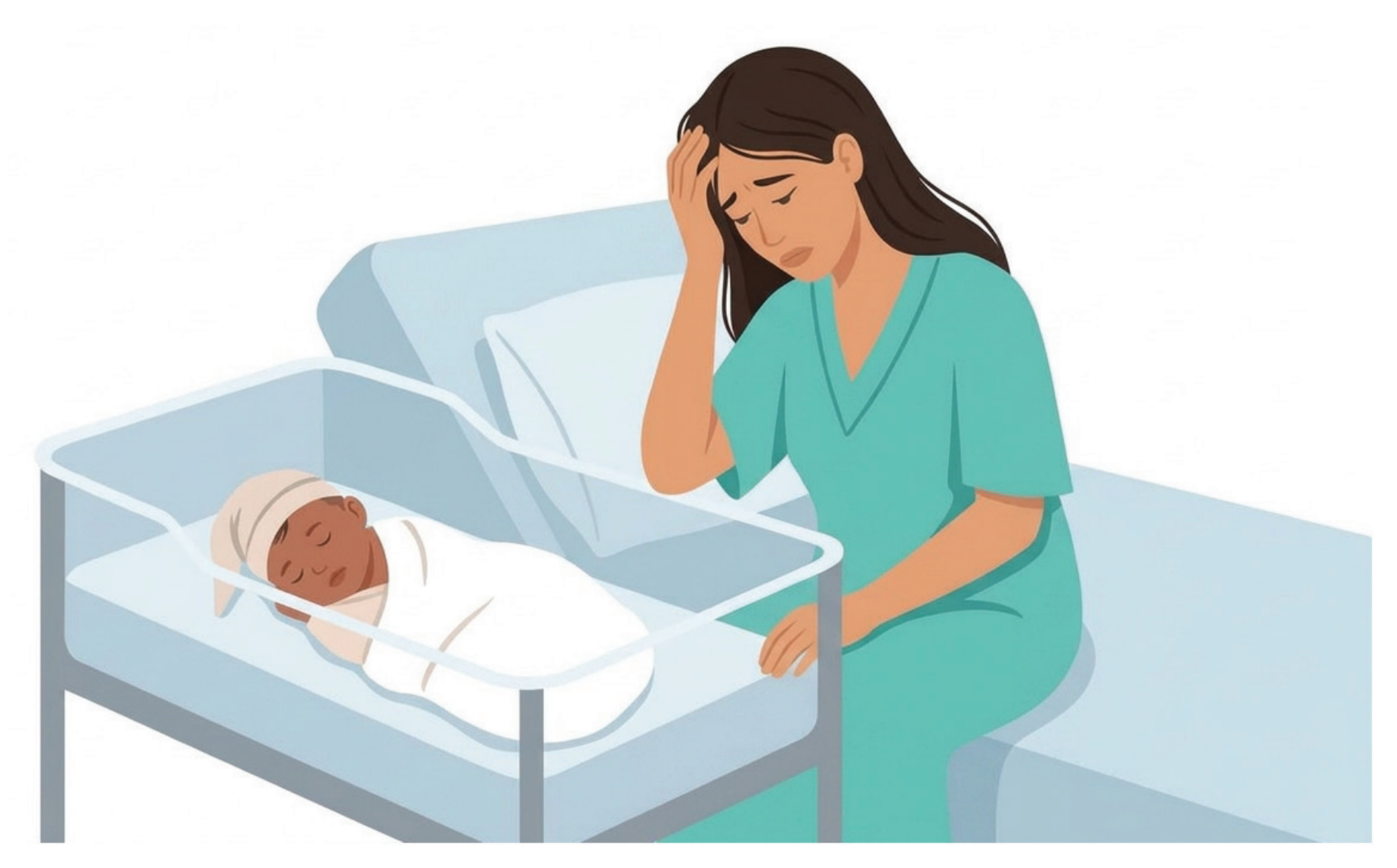
However, if these feelings continue, become more intense, or you feel low, unable to cope, or unable to carry out your daily activities, you may need additional support.
Please speak to your midwife or doctor if you are concerned. Seek help if symptoms persist or worsen.
When to Seek Medical Attention
Tell your midwife, health visitor or doctor straight away if you get any of these symptoms:
| Symptoms | What it could be |
| Pain, swelling or redness in the calf muscle of one leg | Deep vein thrombosis (DVT) |
| Pain in your chest, difficulty breathing | Pulmonary embolism |
| Sudden or very heavy blood loss, feeling faint, rapid heartbeat | Postpartum haemorrhage |
| High temperature, sore and tender tummy | Infection |
| Headache, changes in your vision, vomiting | Pre-eclampsia |
If you experience sudden severe pain, heavy bleeding with large clots, or difficulty breathing, please call emergency services or visit the emergency department immediately.